COX VOX: From Data to Design with Nissie Bungbrakearti
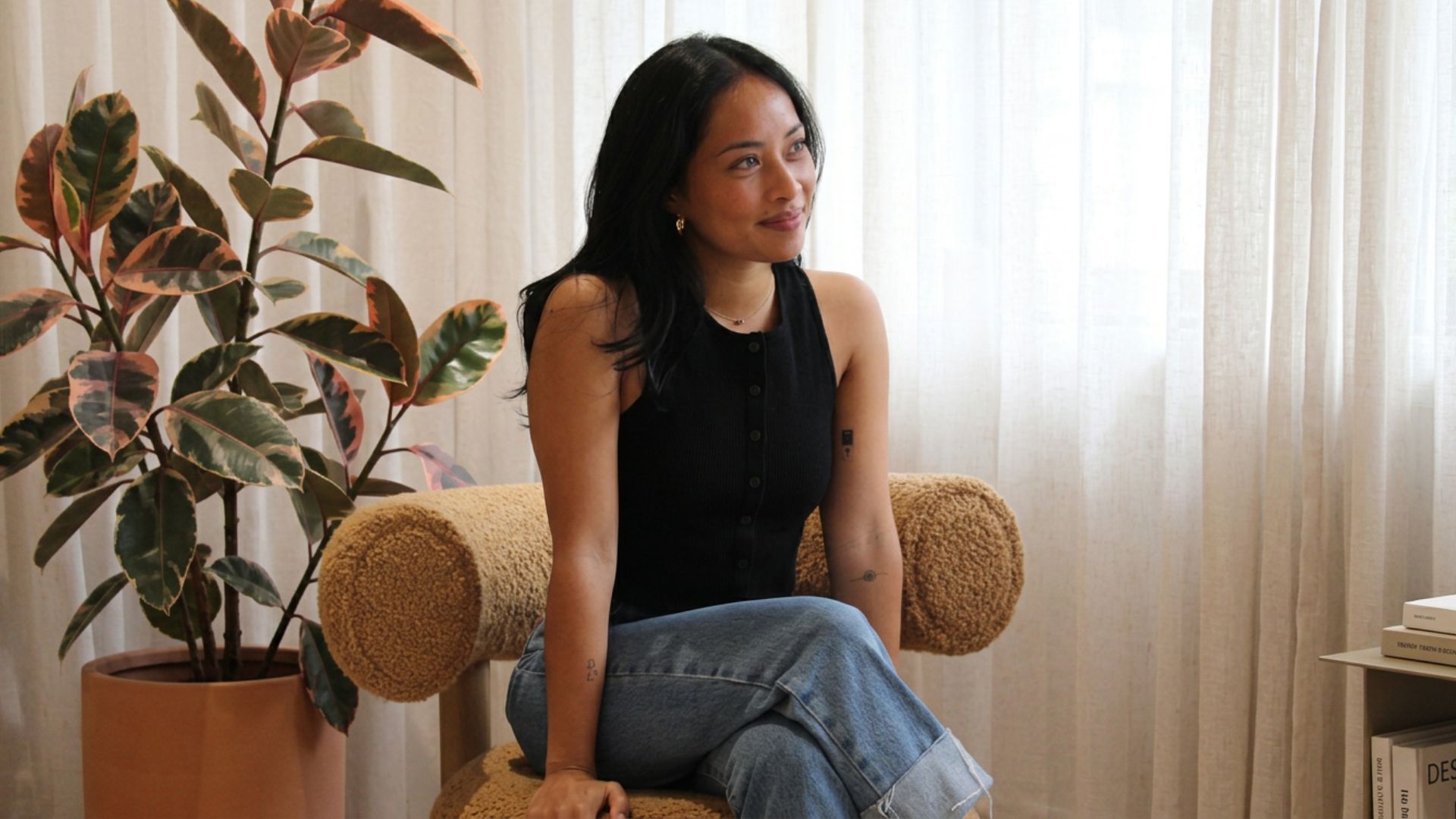
Most people don’t immediately think of computational designers when they picture an architecture studio.
Growing up, Nissie Bungbrakearti was equally drawn to video gaming and architecture – two interests that would eventually shape a career at the intersection of technology, sustainability and design. Having entered the industry from a non-traditional design pathway, her role reflects the growing diversity of skills and specialist expertise shaping contemporary practices.
Over the past eight years at COX, Nissie has helped integrate data-driven design tools into studio workflows, using computational design to support environmental analysis, parametric modelling and early-stage carbon thinking. By translating technical information into visual and actionable insights, her work helps teams and clients better understand how design decisions perform and evolve.
Her contribution to the field has recently been recognised through her inclusion in Australian Design Review’s 30UNDER30 for 2025/2026.
We sat down with Nissie to talk about computational design, emerging technologies and finding confidence within a rapidly evolving field.
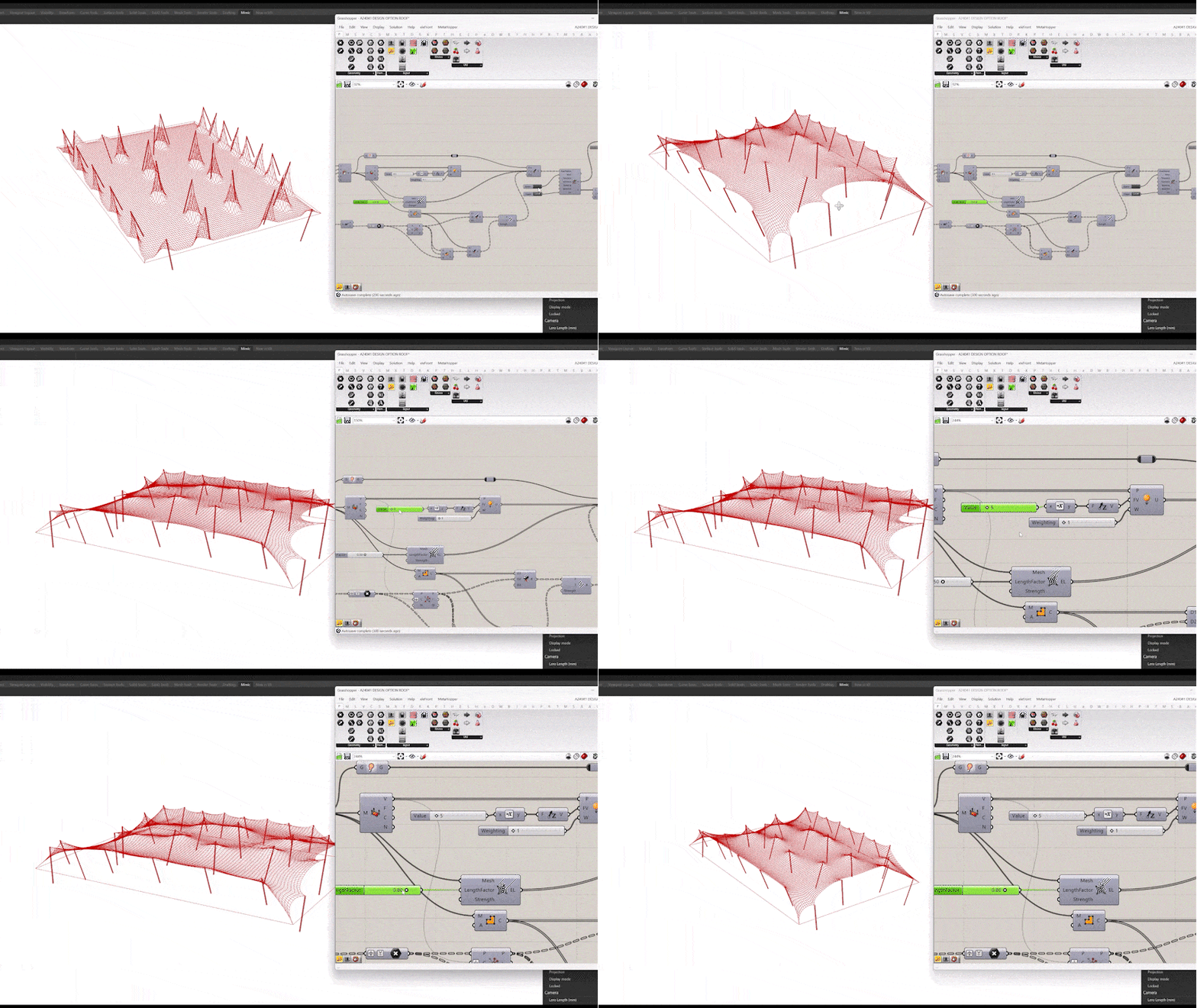
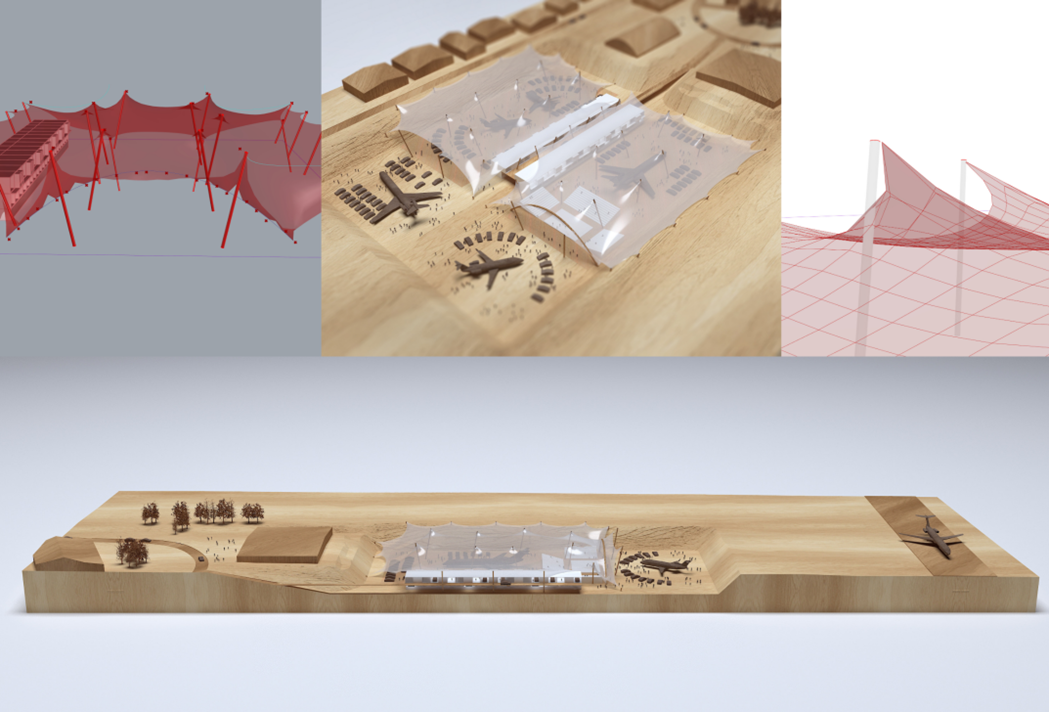
[Above – Parametric modelling of museum canopy]
How would you describe computational design to someone outside the field?
Computational design is a really broad field, but to me, it’s about using data to help drive the design process.
Within architecture and the built environment, that can mean parametric design, generative design optimisation or environmental analysis and simulation. A big part of the work is happening in the background through data and systems, but what’s really valuable is being able to translate that into something more visual and understandable for both our team and clients.
We can take really complex information and communicate it through things like heat maps, visual analytics or form finding so people can engage with the ideas more clearly.
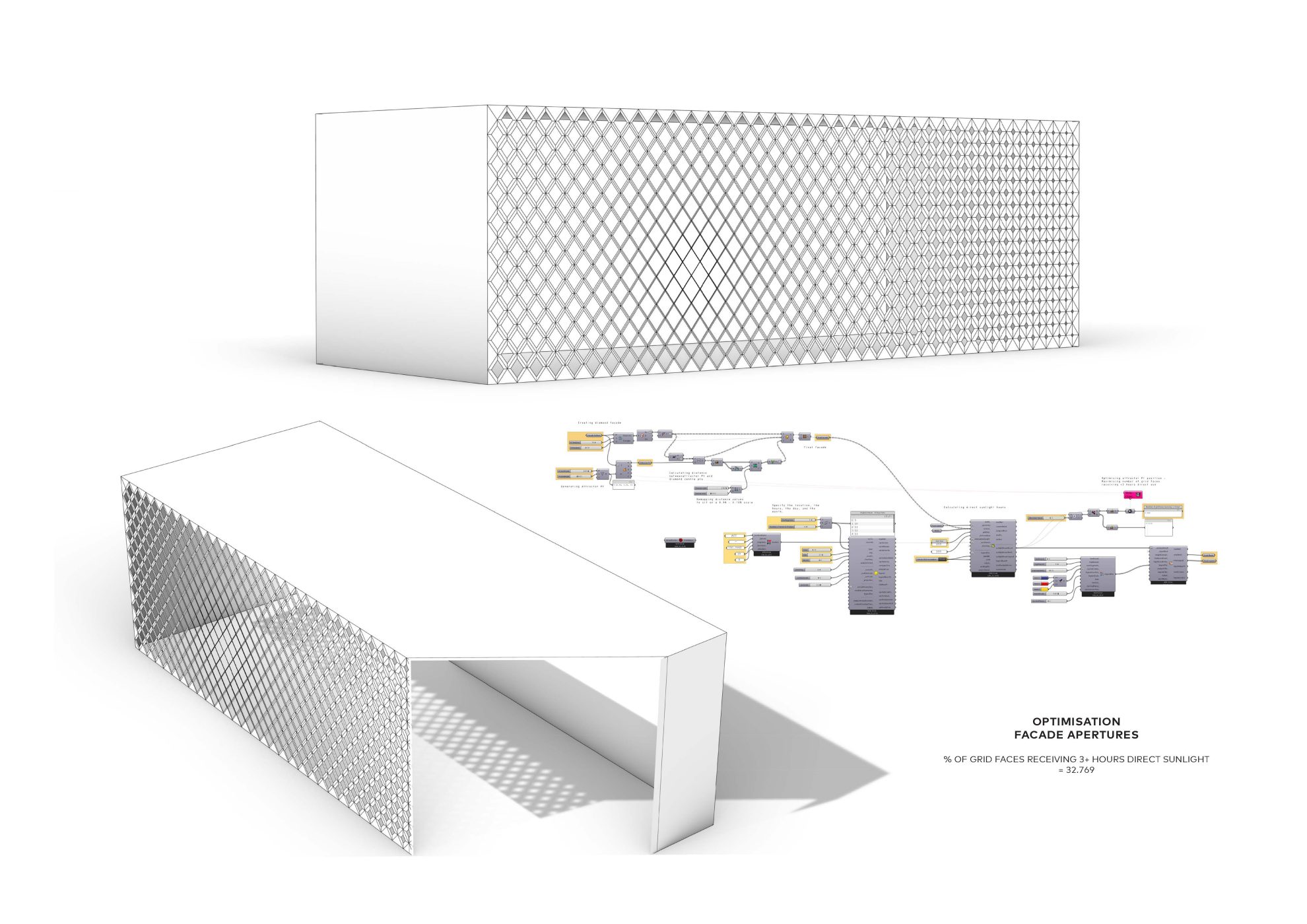
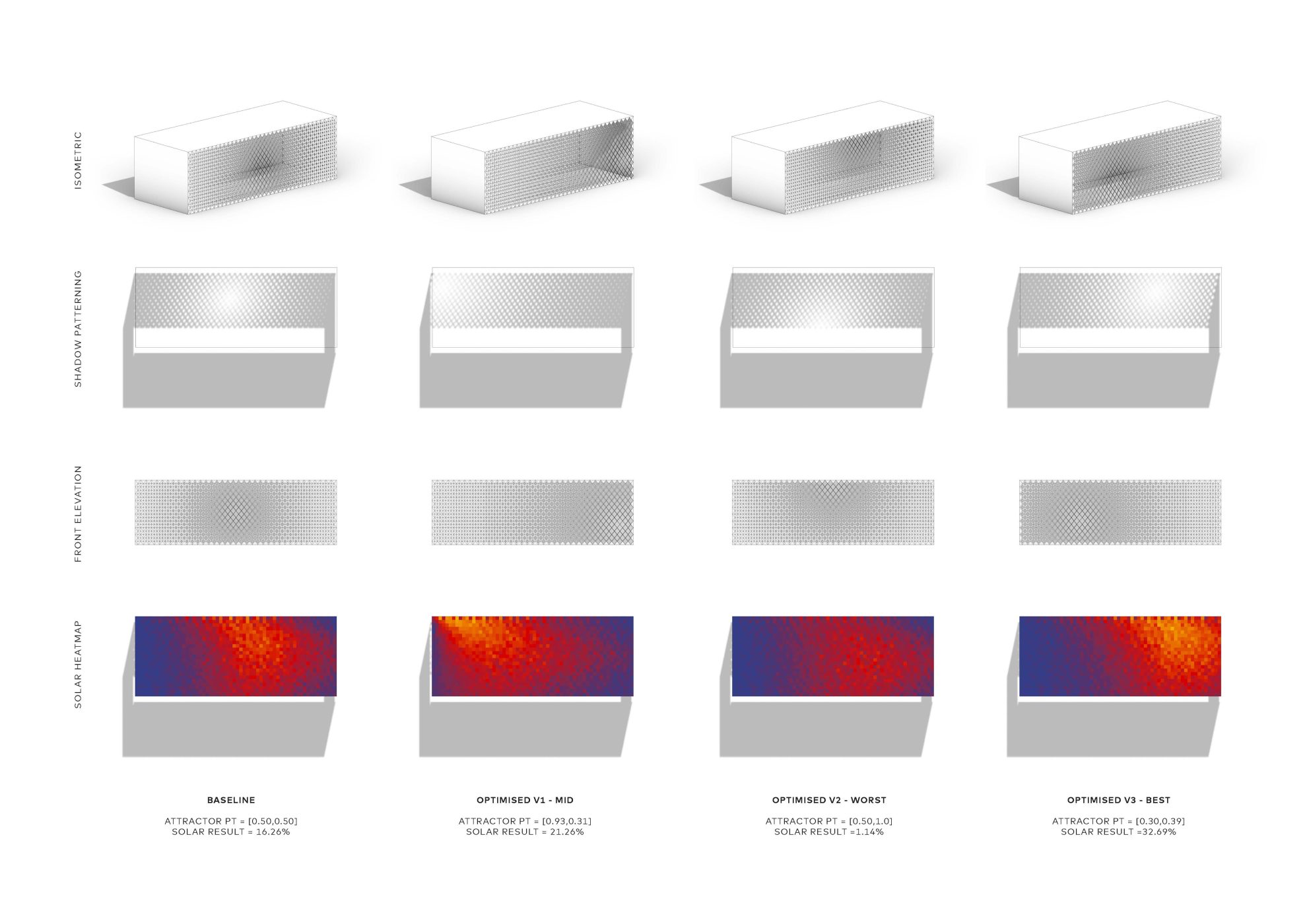
[Above – Solar driven facade apertures]
How did you find your place at an architecture and design studio, coming from a non-traditional design background?
I didn’t know a lot about the architecture and design industry because I was originally a pure computational designer. But I’ve learnt so much from the people around me at COX. They really taught me everything about the industry and helped me grow as a designer overall.
Although I didn’t have a traditional design background, over time I realised the tools and ways of thinking I had could help solve design problems and support the way studios work, which was a surprising but rewarding experience.
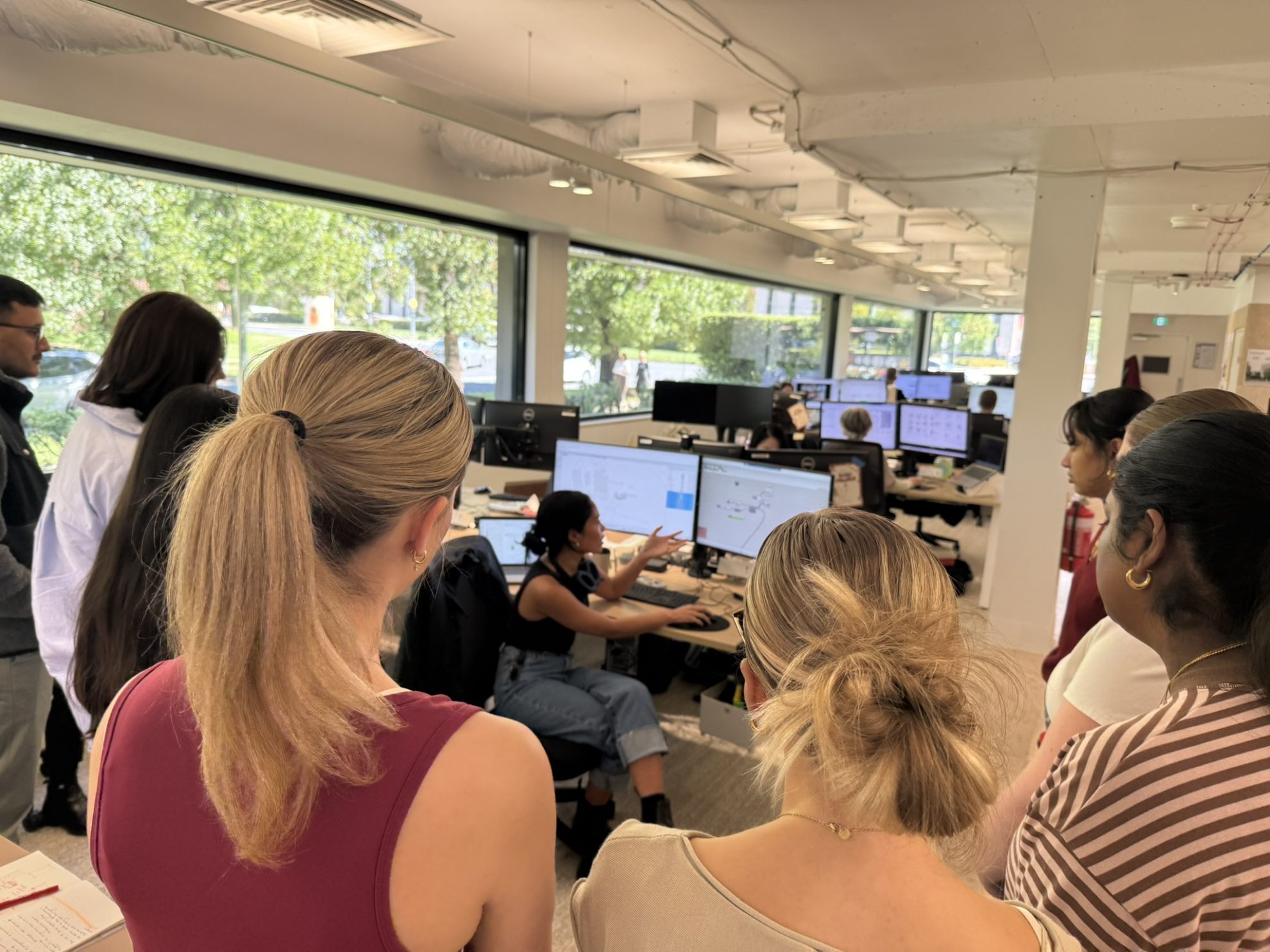
[Above – Student studio tour from University of Canberra]
Have you come across any funny misconceptions about what you do?
One funny thing for me is that because I have ‘Computer’ in my title, everyone assumes I’m really IT savvy.
In reality, I’m probably one of the most IT-illiterate people you’ll ever meet!
What projects helped shape your career in a meaningful way?
There are a couple that stand out.
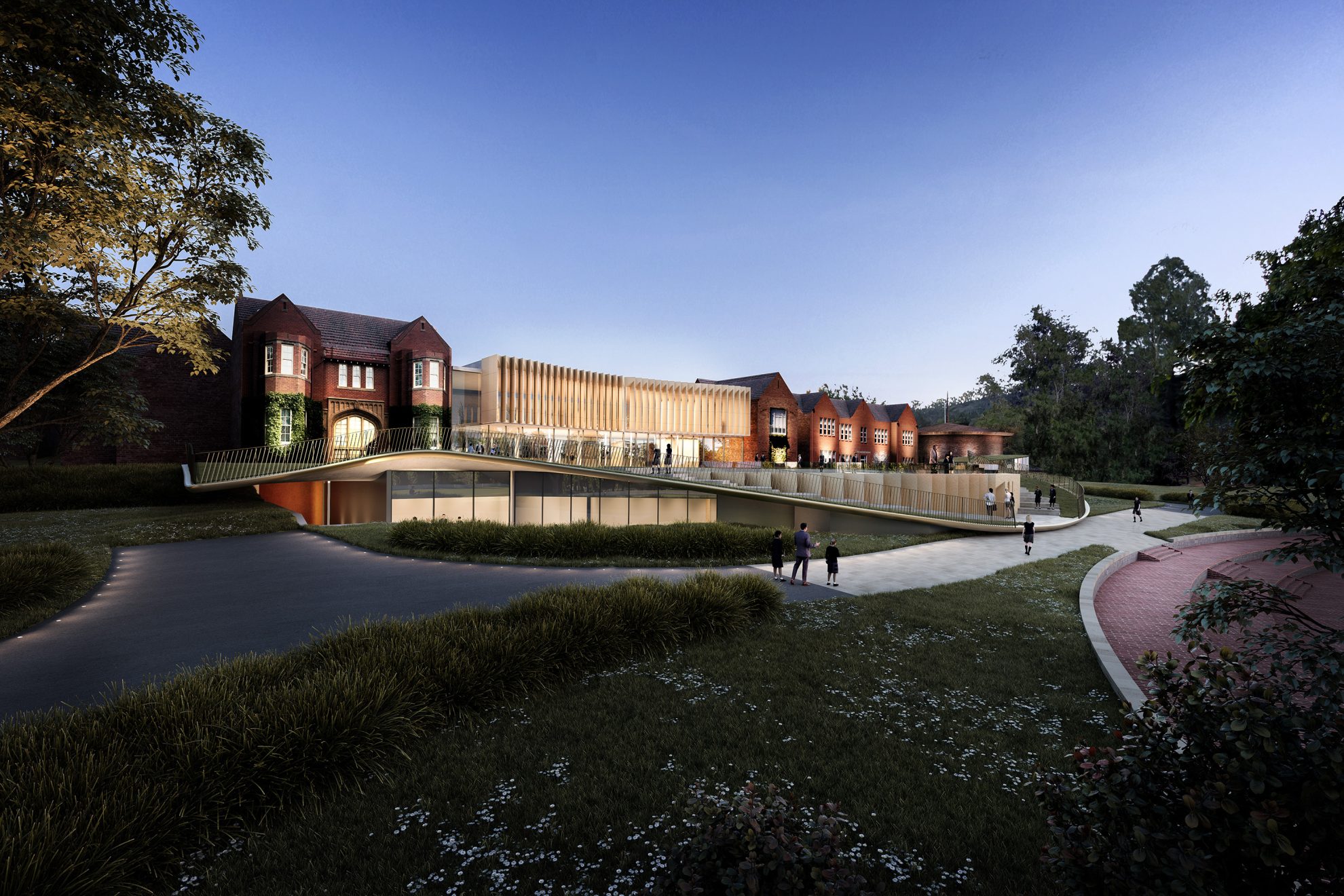
One of the first was the Canberra Girls School Concert Hall
competition in 2018. It was one of the earliest opportunities I had to use parametric design to help shape the auditorium roof form, and it was a really exciting way to showcase how those tools could contribute to the design process.
[Below – Canberra Girls School Concert Hall competition render]
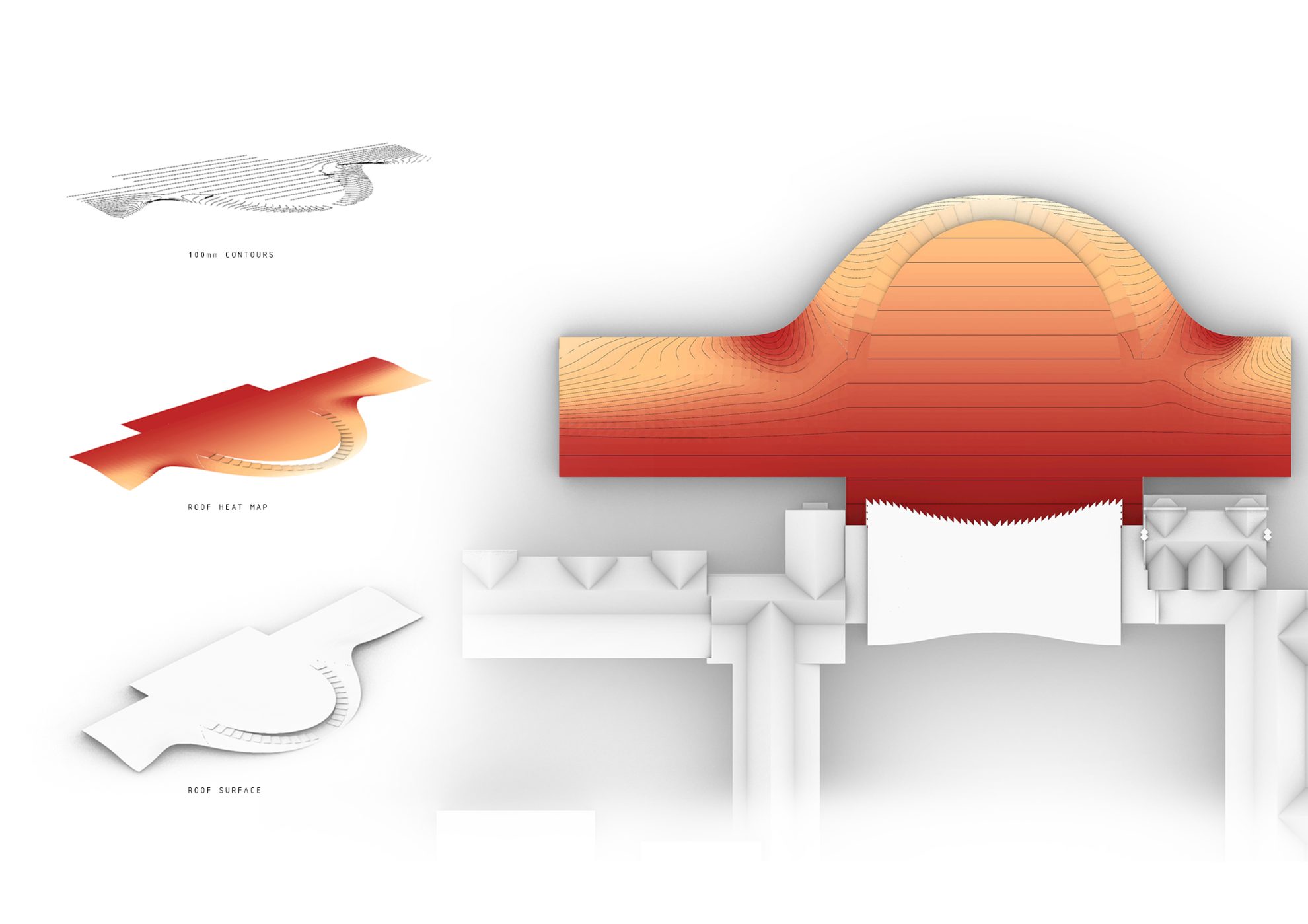
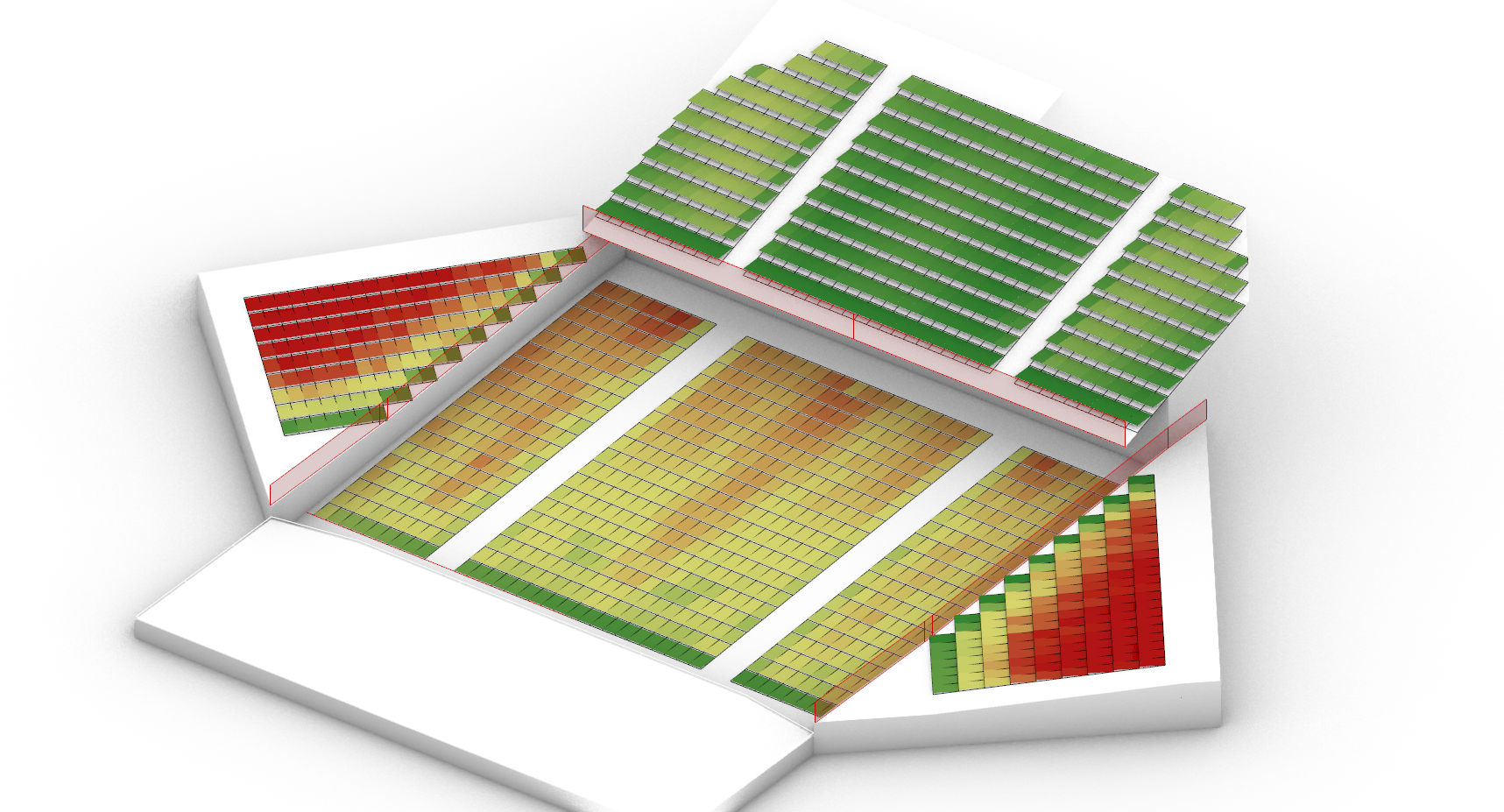
[Above left – Heatmap used to communicate the undulating roof form]
[Above right – View quality heatmap]
Another particularly important project for me was a collection of early in my career. It was one of the first times I used solar analysis within a project workflow and demonstrated how environmental analysis could inform design decision-making.
That experience really showed how computational tools could support the studio in practical and meaningful ways, and it helped build momentum around integrating those approaches more broadly.
What’s a moment in your career that made you think, “This is exactly where I’m meant to be”?
Belconnen again – it was definitely one of these moments.
At the time, I was still figuring out how my background and skillset could contribute to architectural workflows and broader design thinking within the studio. Being able to contribute to real design problems and seeing the value those tools brought to the team was a really important turning point for me.
Another significant experience has been helping establish Here & Hear, COX Canberra’s women’s initiative. Seeing the level of support across the studio – from both women and men – has been really inspiring.
It’s created space for conversations around women’s health, social issues and professional experiences, while also reinforcing the importance of visibility and support within the industry.
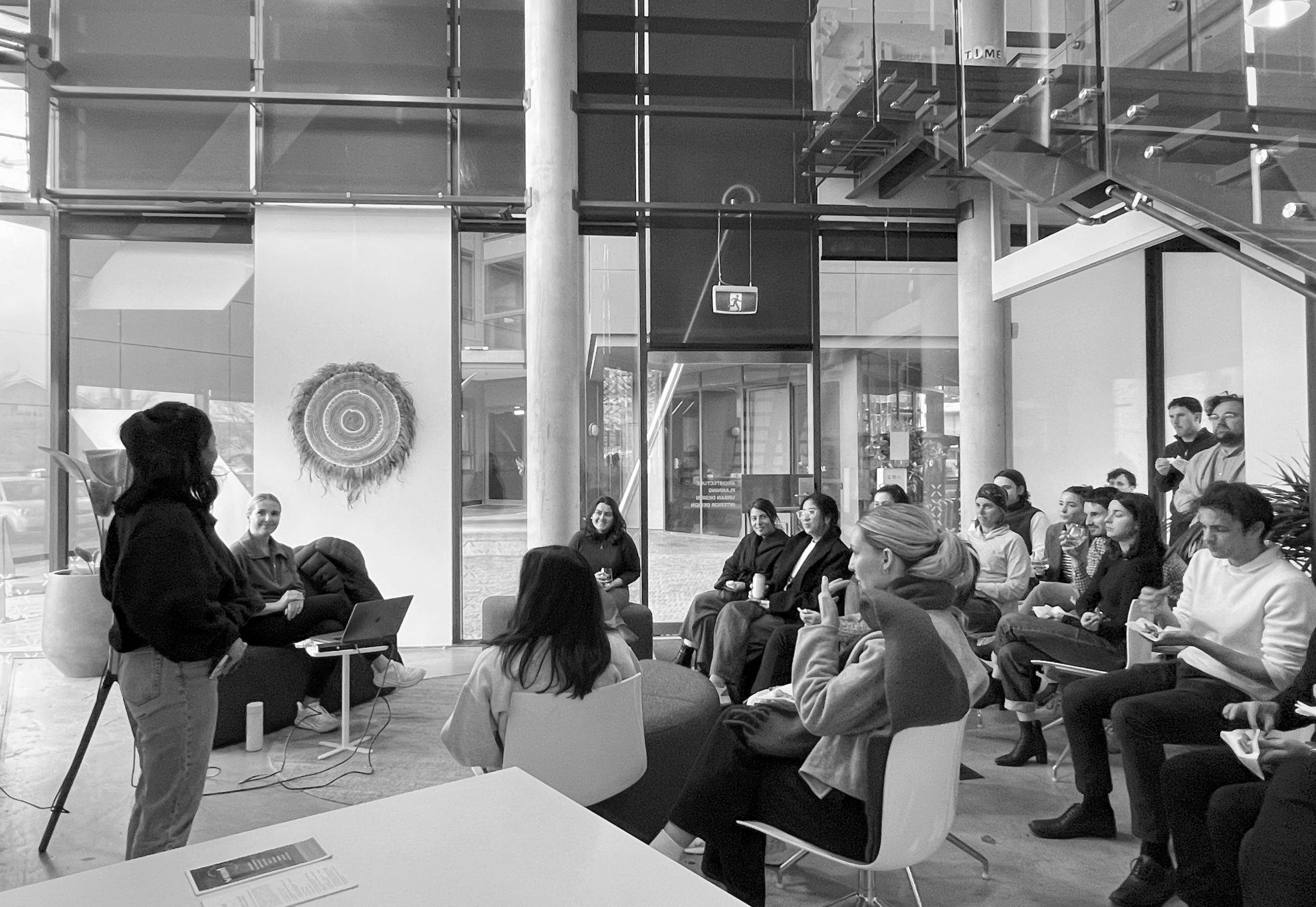
[Above – Opening the H&H Speaker Series for guest speaker Kate Speldewinde from SoundCBR (Women’s Pelvic Health)]
Computational design is often associated with emerging technologies. What areas are you exploring at the moment?
AI is definitely a big area I’m still learning about. It’s evolving so quickly and can feel quite overwhelming at times, but I’m excited by the potential it has to support better design thinking and workflows.
Over the past few years, my role has increasingly connected design technology and sustainability. Together with other teams at COX, we’ve been developing tools that help others understand carbon impacts earlier in the design process.
The goal is not only to support more informed decision-making internally, but also to help communicate those outcomes more clearly to clients and collaborators.
I think there’s a real opportunity for technology to help make sustainability more visible and more integrated into everyday design conversations.
Computational design teams are often seen as male dominated. What was your experience like navigating that?
It was definitely challenging at first, particularly being the only computational designer in the Canberra studio early on, and one of relatively few women working in that space in general.
One thing I’ve learnt is the importance of backing yourself and speaking up. It’s also completely okay to not know everything and to ask questions. That’s how you learn.
The biggest thing is being open to learning from the people around you, regardless of gender, while still having confidence in your own perspective and ideas.
What kind of designer do you hope to become over the next few years?
I’d really like to continue helping upskill the practice and build understanding around computational thinking more broadly.
Not everyone needs to know how to use every tool, but I think it’s important that people understand the way these processes can support design thinking and collaboration.
The real value comes when these tools are embedded more seamlessly into workflows, supporting better project outcomes, stronger sustainability thinking and clearer communication across teams.