Reintroducing Ashley Beckett: COX’s Indigenous Engagement Lead
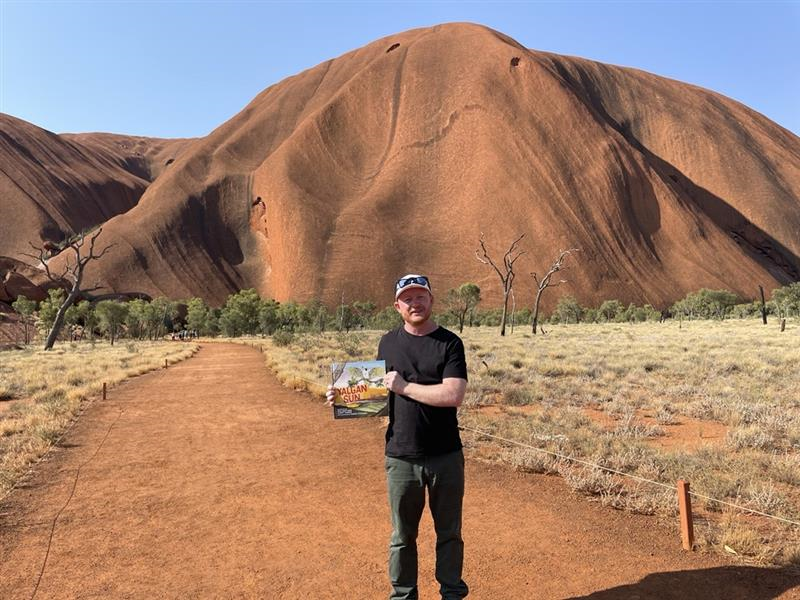
[Above: Uluru for COX AGM 2023 holding Yalgan Sun which was created for the Gold Coast Suns by Yugambeh Elder and Songwoman Dr Candace Kruger together with Elders of the Yugambeh community. Illustrations by Sandra Steffenson.]
For 14 years, Ashley Beckett has been a valued member of COX, working from our Megandjin / Meanjin (Brisbane) Studio. His journey spans multiple disciplines – from contributing within the BIM team, to leading projects as an Associate, and playing an active role in our RAP Working Group. Throughout, Ashley has consistently bridged his passions for architecture, technology, and Indigenous engagement.
Now, we’re thrilled to announce that this unique interplay of skills and perspective is taking another step forward, as Ashley takes on the role of Indigenous Engagement Lead for COX.
We sat down with Ashley to learn more about his journey, what this new role means to him, and how he hopes to continue strengthening COX’s relationship with Country and community.
Ashley, can you share a bit about yourself?
Ashley: I was born and raised west of Brisbane, on Yuggera, Jagera, and Ugarapul Country. I’m also connected through my grandfather and grandmother to Cherburg, Wakka Wakka peoples and K’gari, Butchulla peoples. Growing up, culture was all around me. I didn’t realise that wasn’t something everyone experienced. Now, I’m honoured to continue those practices and share them with others.
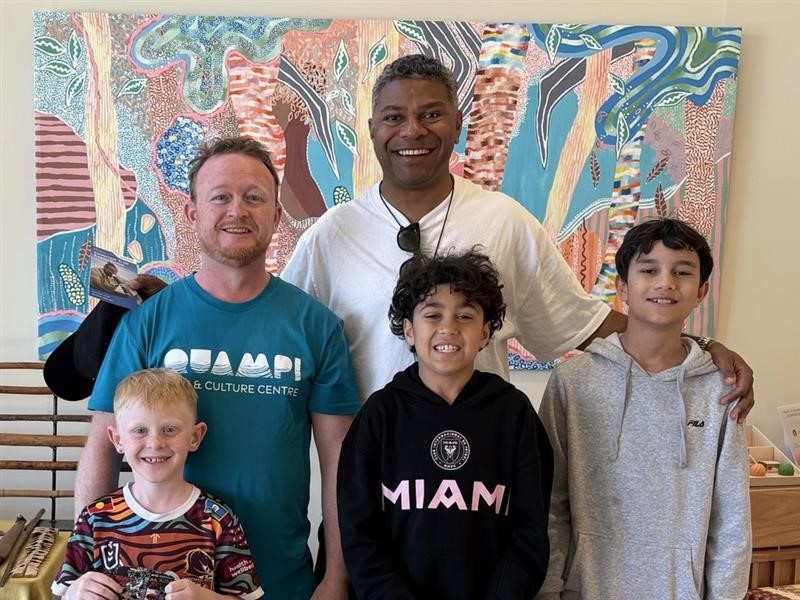
[Above left: Quandamooka Festival community opening on QUAMPI with Uncle Fred Leone and jarjums (children)]
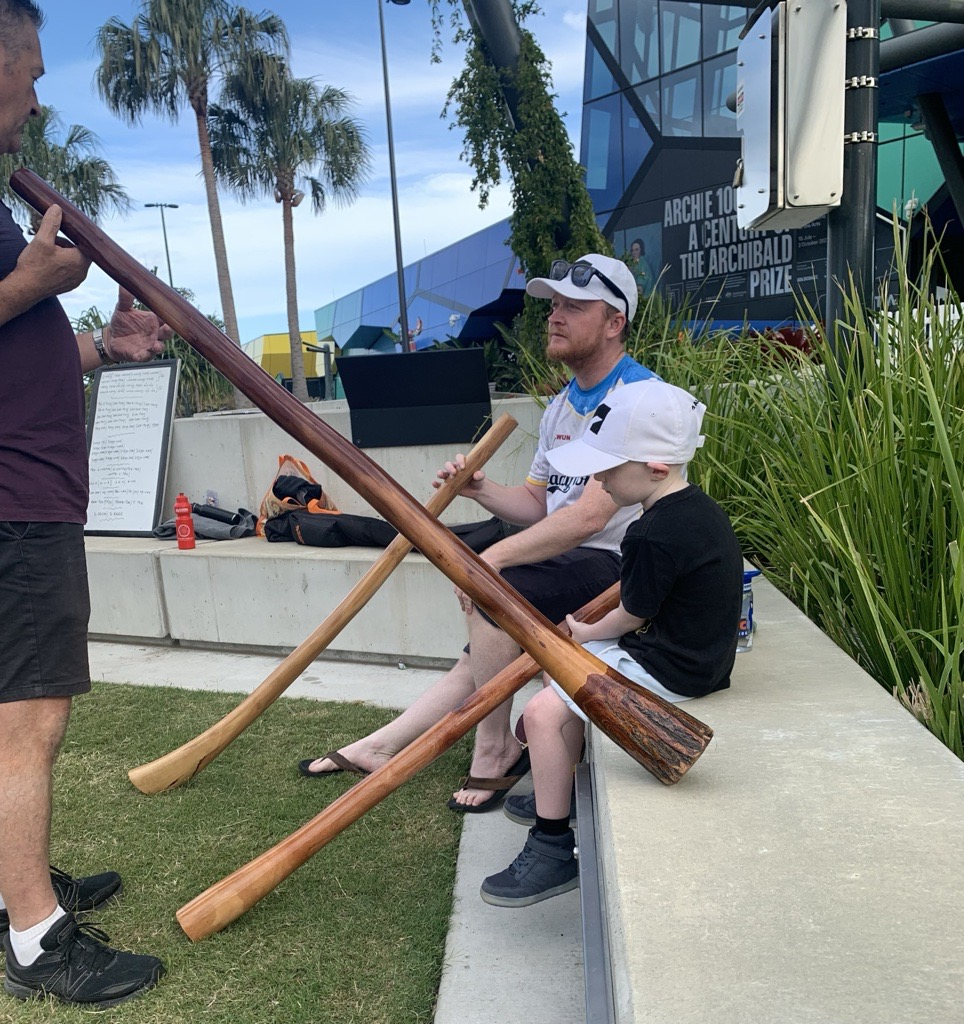
[Above right: Dreamtime Artistry – Garulni Gulgan United Sounds at HOTA (Home of the Arts)]
What led you to want to be an architect?
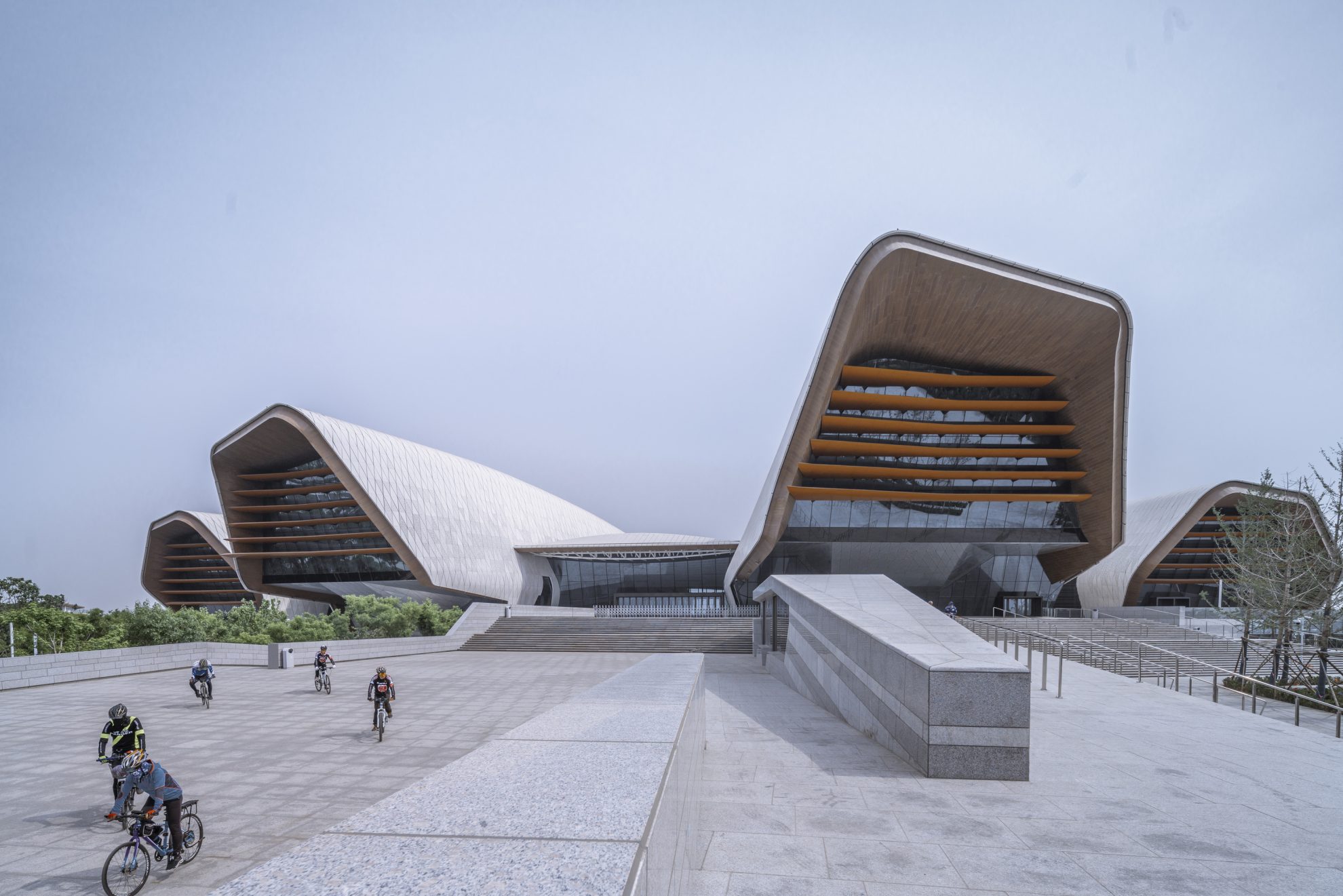
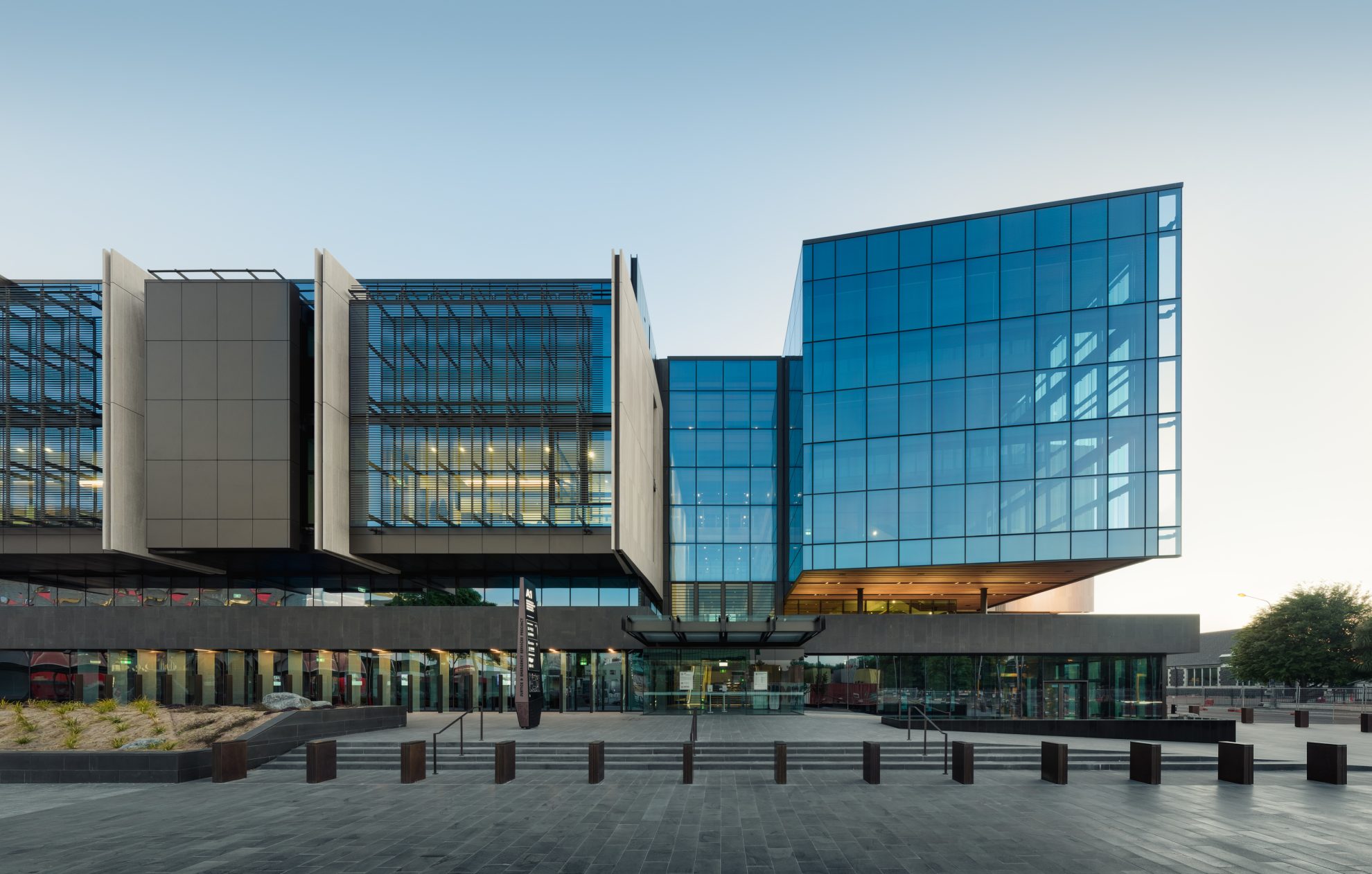
Ashley: It started with carpentry in high school, building homes in the sun and learning techniques from my dad and community. That hands-on experience sparked a love for creating spaces. I studied Architecture at QUT in Megandjin/ Meanjin, on Turrbal and Jagera Country, and became a registered architect in 2009. Over the years, I’ve worked on projects locally and internationally, from the Queensland Gallery of Modern Art to Christchurch Justice Precinct in Aoteaora /New Zealand, and even the National Maritime Museum of China in Tianjin.
How does your connection to Country influence your work?
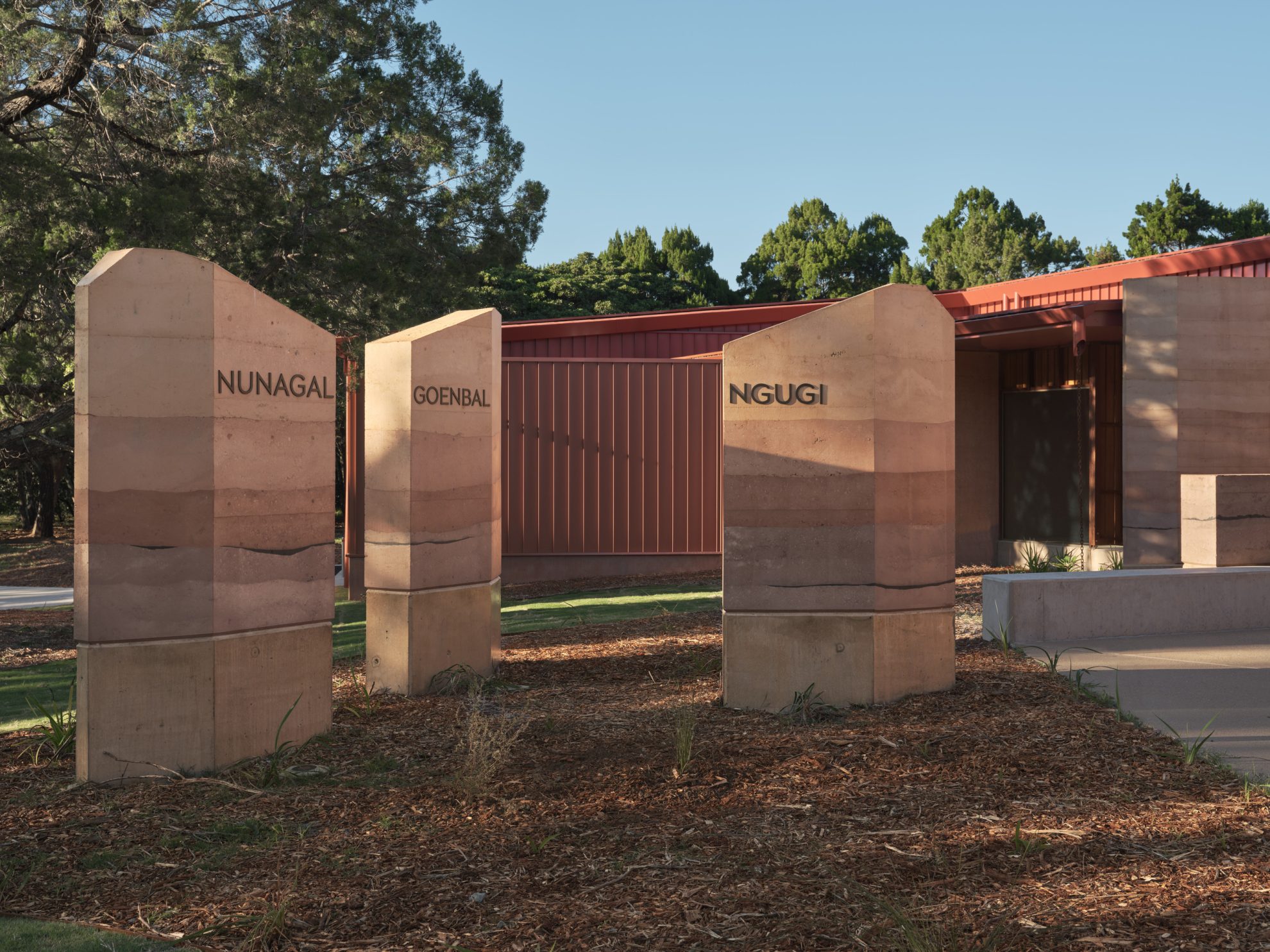
Ashley: Country isn’t just land – it’s waters, skies, animals, plants, community. Architecture is an opportunity to take care of all the connected systems. At COX, I’ve always integrated cultural understanding into design processes. Projects like the Quandamooka Arts and Cultural Centre show how design can respond to Country while benefiting communities, creating education, wealth, and job opportunities across generations.
You’ve been part of COX for nearly 14 years. How have you seen Indigenous engagement evolve in architecture?
Ashley: There’s been a real shift from engagement being “advisory” to being genuinely collaborative. Elders and knowledge keepers are now at the table, sharing generational knowledges that guides design outcomes. Projects aren’t just about profit, they’re about meaningful, lasting impact for communities. The Olympics, for example, is an opportunity to embed these principles at scale, ensuring First Nations voices shape the conversation from the top down.
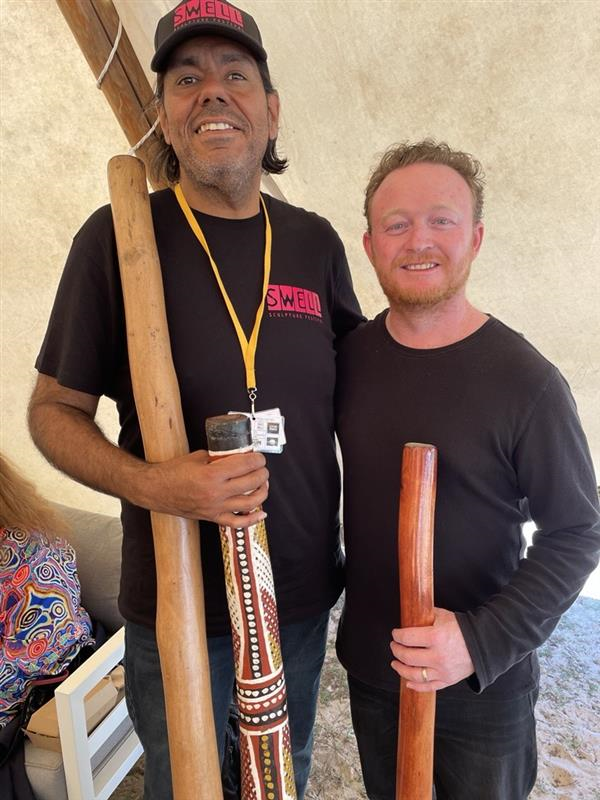
[Above: Uncle William Barton at Swell Sculpture Festival]
What excites you about the next iteration of the RAP and continuing to work with the RAP working group?
Ashley: The team has been reconfigured to focus on two things: the business side and design-led outcomes. My role will be to support communities and projects across the Country, ensuring outcomes are culturally informed and connected to Country. I see this as a chance to guide better integration of Indigenous knowledge into all our projects and to continue the great work being done through our RAP.
Any final thoughts?
Ashley: I’m grateful to bring my experience, both professional and cultural, to this role. It’s about strengthening connections between architecture, communities, and Country, and ensuring every project we touch carries respect, responsibility, and care – for people, land, water, and sky.