Designing with Country, for Country
Designing with Country, for Country begins with recognising Country as living – shaped by cultural knowledge, responsibility and memory carried across generations. It asks architects and designers to listen deeply to Traditional Custodians and work in genuine partnership to create places that reflect community aspirations, strengthen cultural continuity and support long‑term care for Country. Across Australia, this approach is reshaping architecture beyond built form, creating spaces that enable cultural leadership, self-determination, storytelling and deeper connection to place.
Indigenous Engagement Lead, Ashley Beckett
Designing with Country is about honouring the deep connection First Nations peoples hold to Country, Culture and Community, and recognising that this knowledge must lead the way we shape place. When cultural practice and identity guide the design process, the built environment becomes a platform for self-determination, strengthening community and ensuring Elders and knowledge holders remain at the centre of decision making.
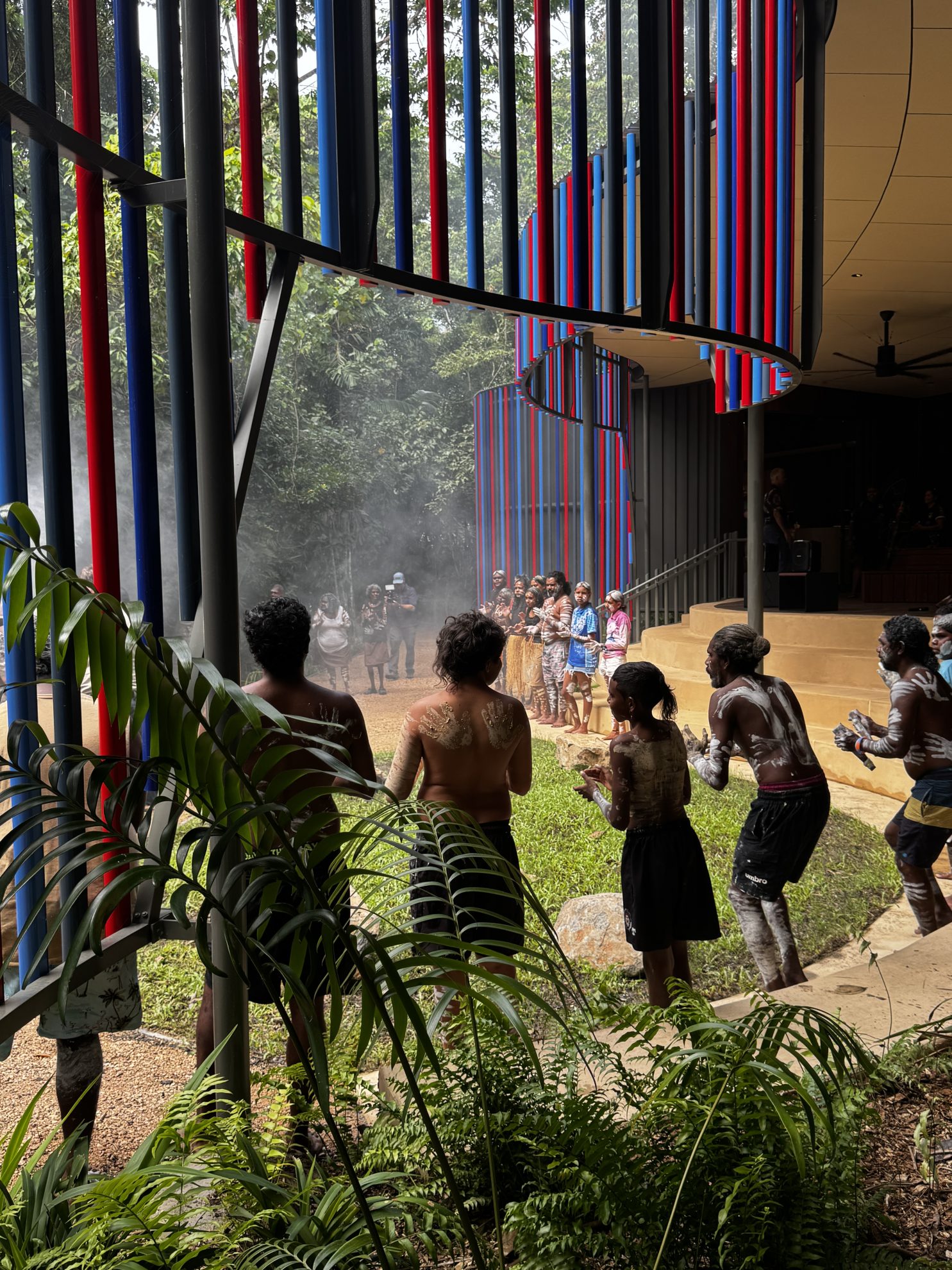
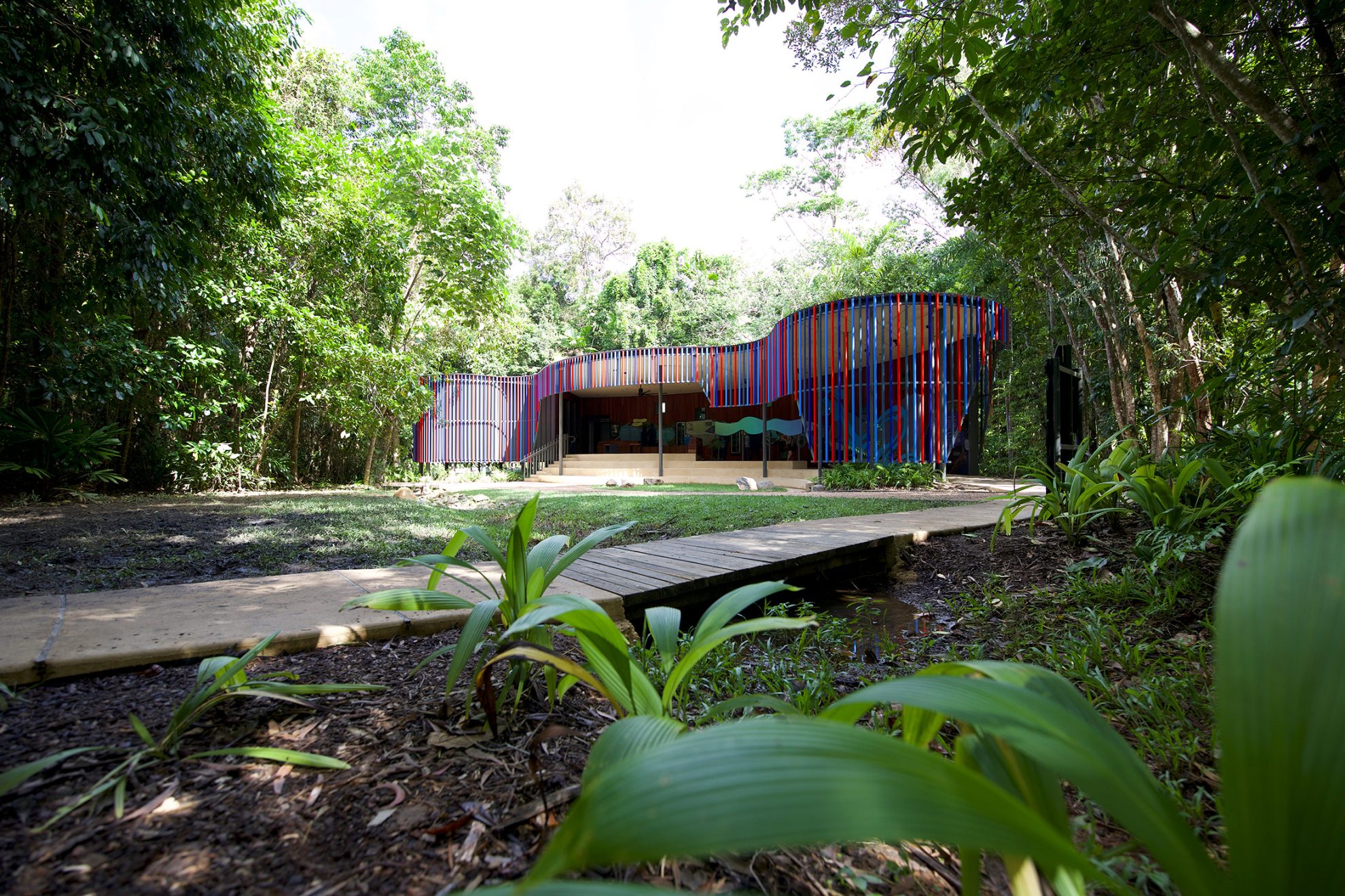
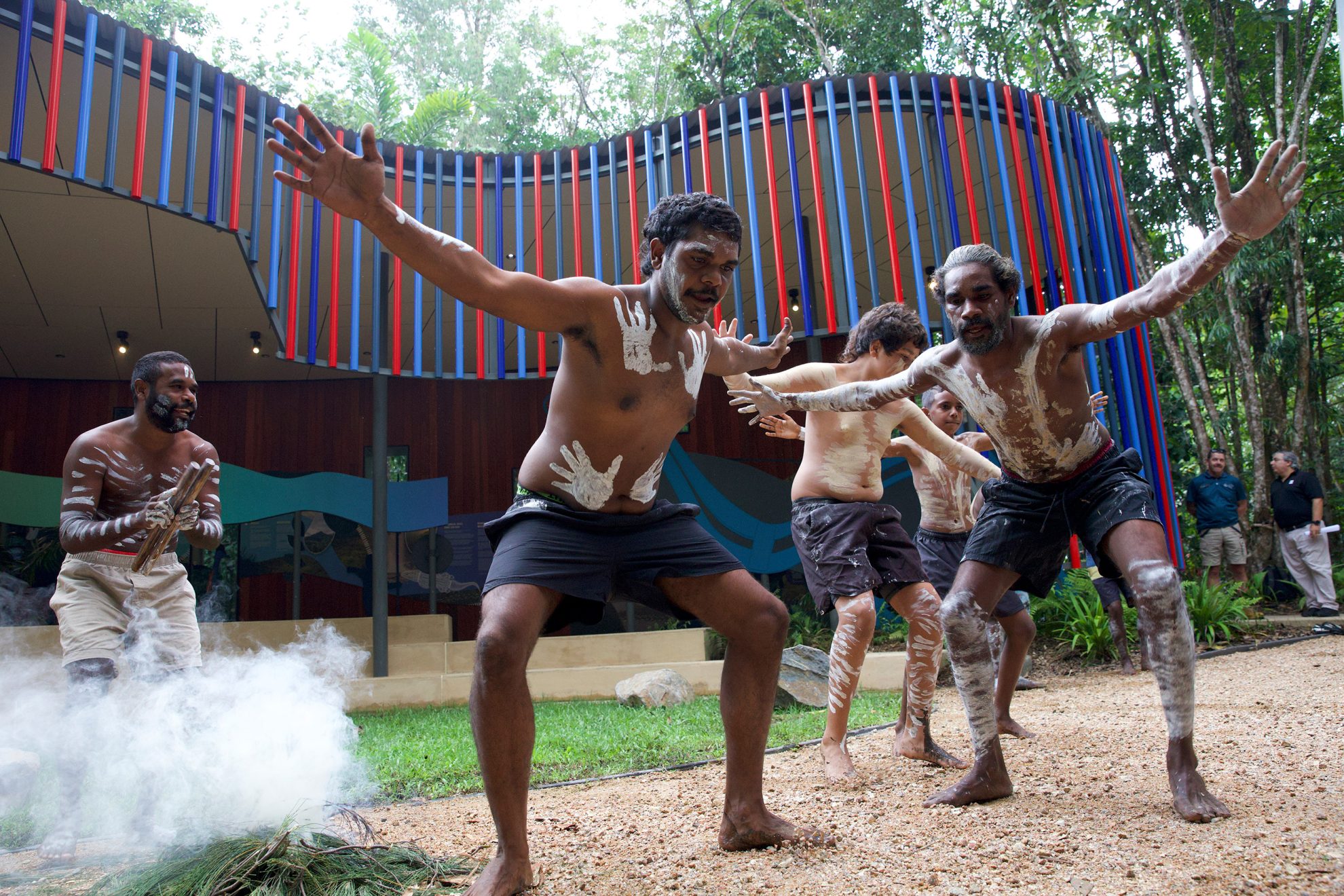
Above: Eastern Kuku Yalanji Bamanga Muruku Tourism Hub | Right Photography: Phil Warring
On Eastern Kuku Yalanji Country within the Daintree Rainforest, this is expressed through community leadership in shaping how Country is understood and experienced. The Eastern Kuku Yalanji Bamanga Muruku Tourism Hub was developed through close collaboration with Elders and community, grounded in more than 65,000 years of custodianship and a shared vision for a living cultural centre where culture is practised, shared and sustained.
For Eastern Kuku Yalanji Bama, the project represents a significant change: the first Indigenous‑owned tourism business on their Country extending north of the Daintree River. It positions Traditional Custodians as hosts, decision-makers and leaders in how visitors engage with one of the world’s oldest living landscapes.
The architecture responds to the world heritage-listed rainforest environment, drawing on the rhythms, colours and ecological systems that define this place. Skylights and cascading rainwater systems evoke the forest canopy, and an organic battened screen references the cassowary and its ecological presence. Elevated above tidal conditions, the building sits lightly within the coastal rainforest setting.
Here, designing with Country is expressed through cultural sovereignty – where architecture enables ownership, continuity and self-determined futures.
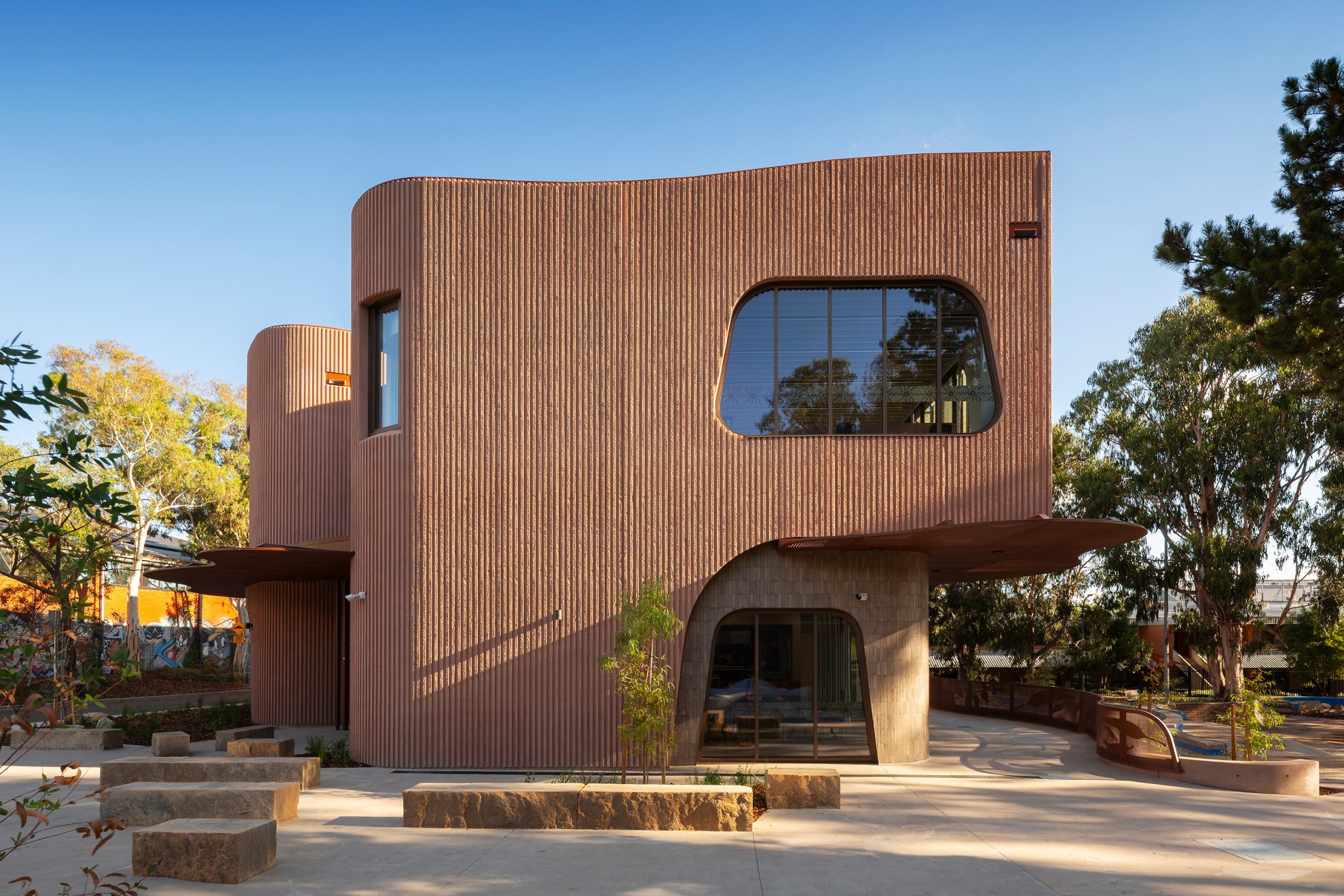
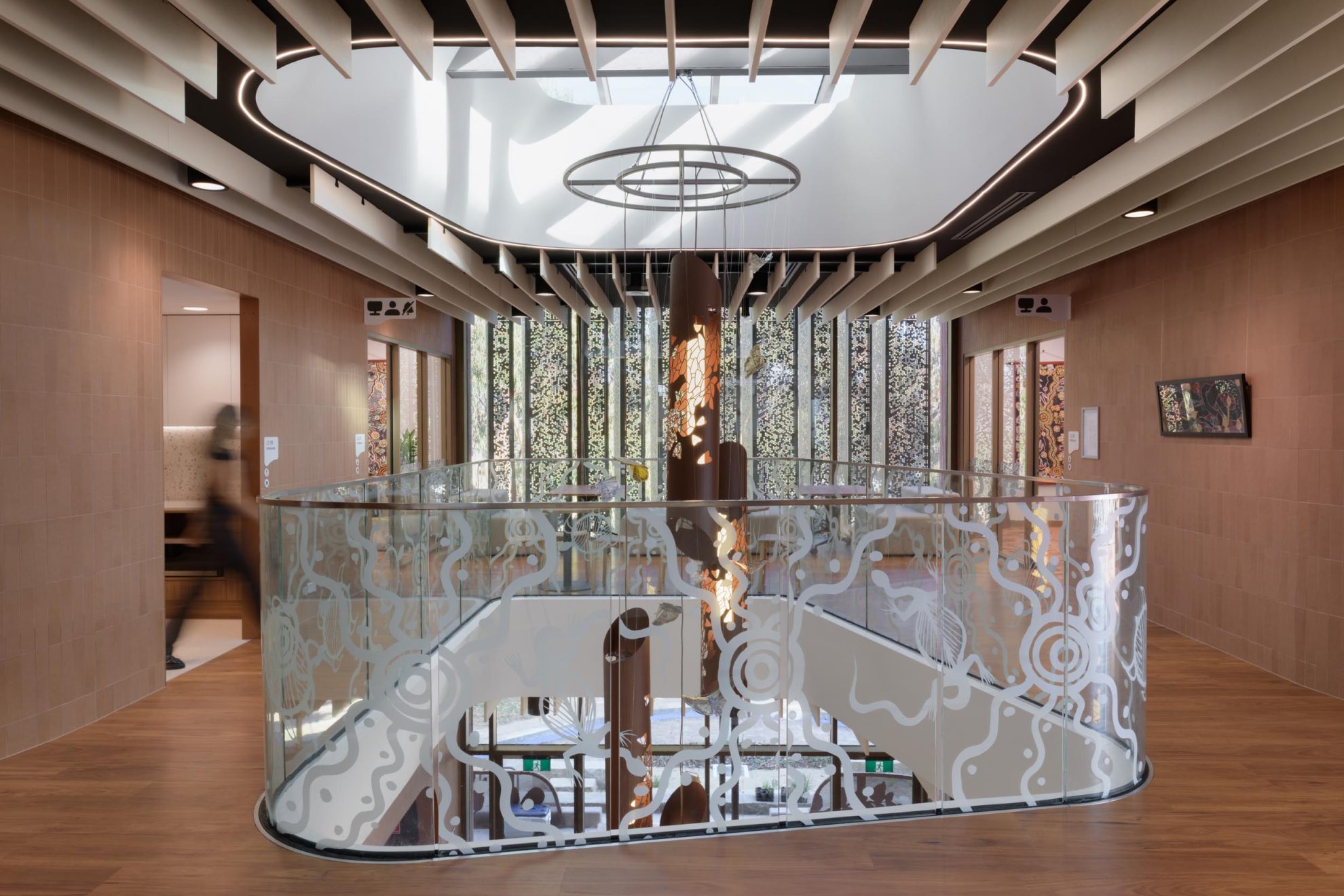
Above: Gugan Gulwan | Photography: Adam McGrath & Thurston Empson
A different expression emerges on Ngunnawal Country in Canberra, where designing with Country begins with community – creating a place that truly represents the people it serves and offers a safe, culturally grounded space for gathering, connection and care. The Gugan Gulwan Youth Aboriginal Corporation Facility was developed through deep consultation with the Gugan Gulwan team, Nannas and community representatives, responding to the needs of Aboriginal and Torres Strait Islander youth while creating a place grounded in identity, belonging and care.
For many, Country is carried through people – through culture, kinship and community – especially for those living off Country or reconnecting with culture. This understanding shaped a building where Country is drawn through space and movement rather than representation. Voids, skylights and open gathering spaces connect land, sky and movement, while circulation paths converge toward a central space for gathering, nourishment and healing.
The building is intentionally “loud and proud” in its cultural expression, with artwork, language and storytelling embedded throughout.
Here, designing with Country becomes a practice of care that creates a safe and culturally grounded environment where community can gather, heal and strengthen identity.
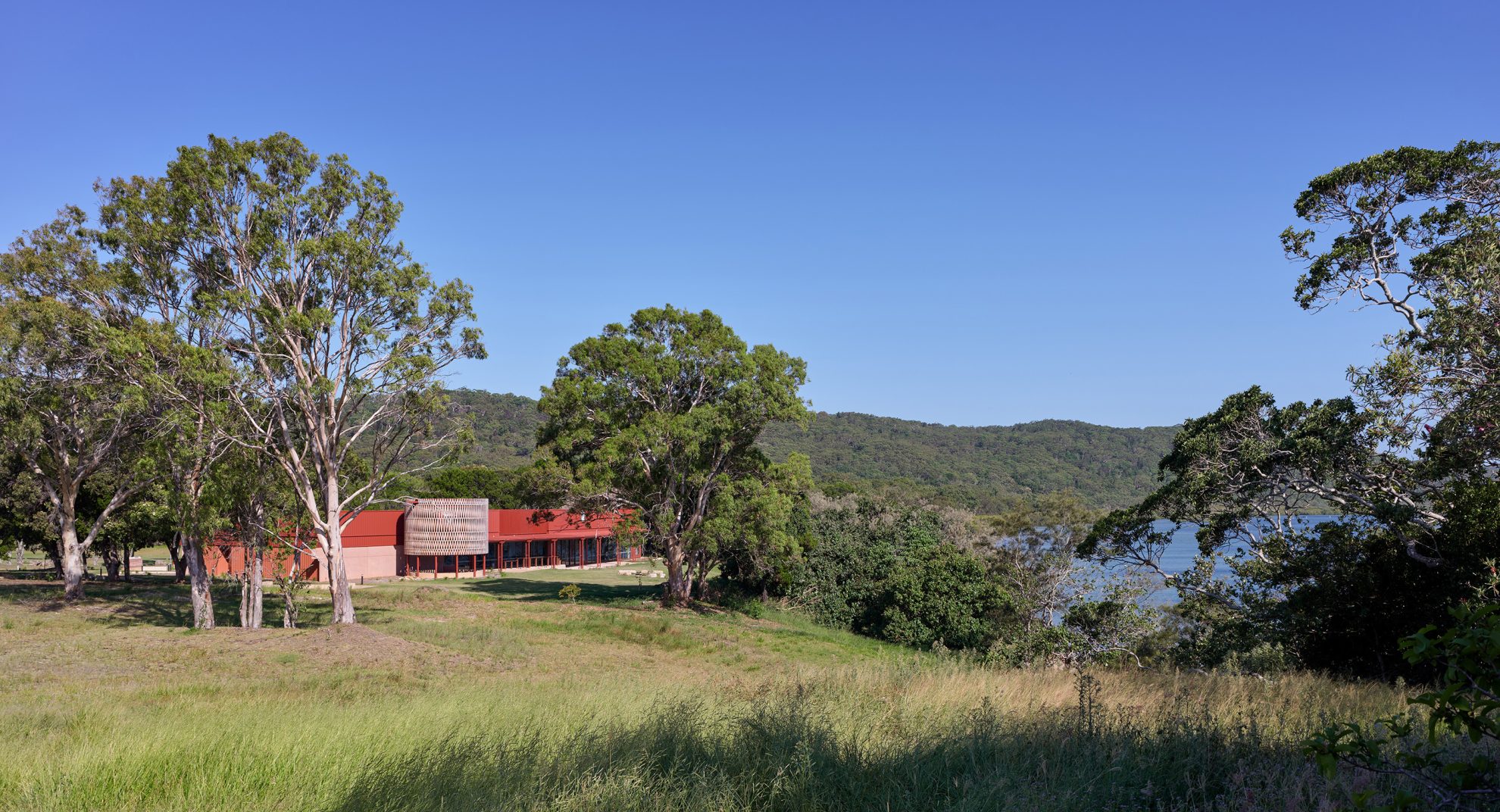
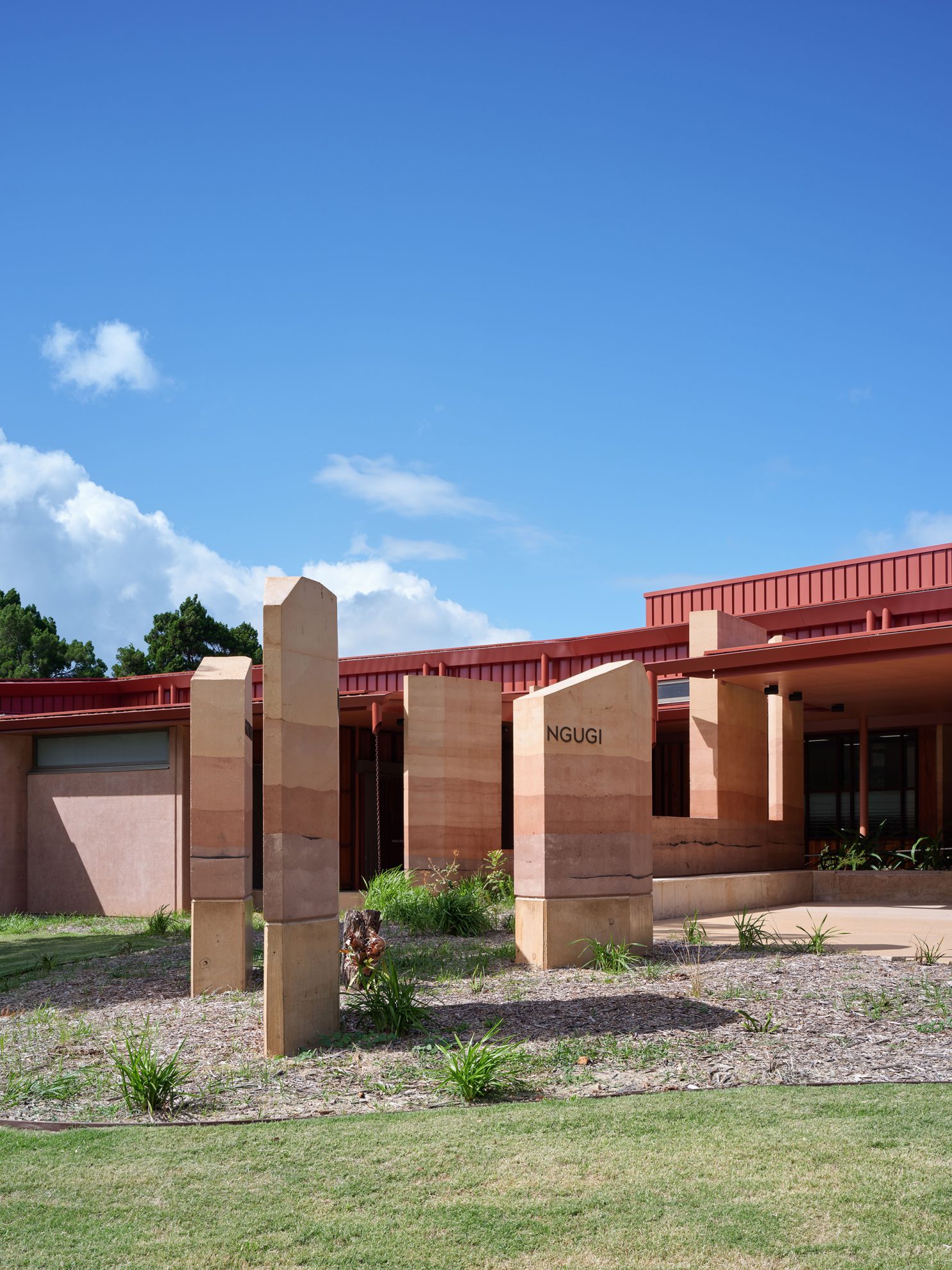
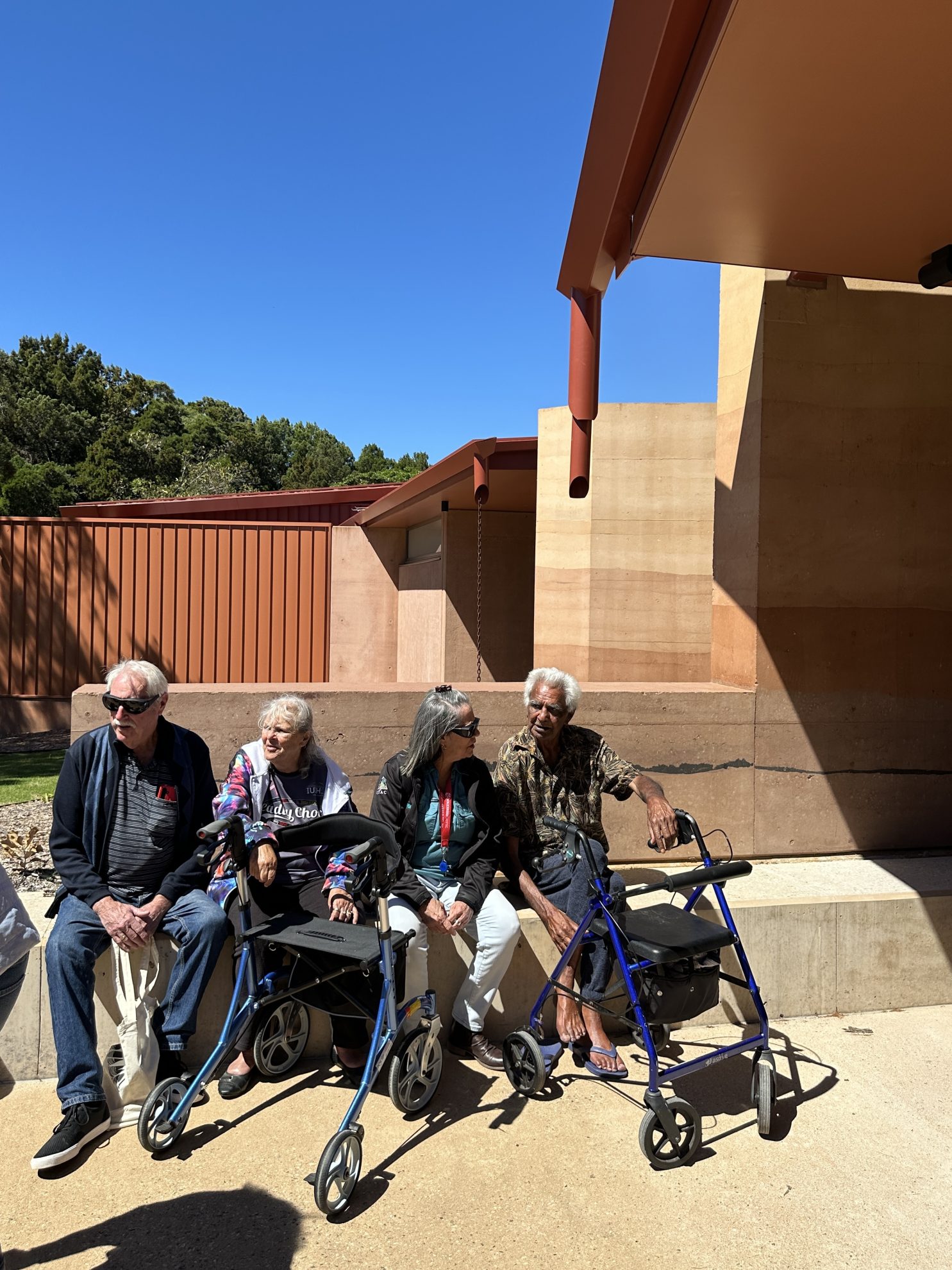
Above: QUAMPI | Images 1-2: Christopher Frederick Jones | Image 3: Richard Coulson
On Minjerribah (North Stradbroke Island), Designing with Country is realised through long-term cultural stewardship, embedding Quandamooka knowledge, values and community agency into both process and place. The Quandamooka Arts and Culture Centre (QUAMPI) was developed over many years through close collaboration with Quandamooka Elders, artists and community representatives, guided by a shared philosophy of Healthy Country, Healthy People and Healthy Culture.
Rather than separating culture from architecture, the project carries Country directly into the building itself. Coloured sands reference the aquifers of Minjerribah, while Quampi (Island Oyster) shells were collected and placed into the rammed earth walls by community members. The building surfaces become cultural expressions shaped through community participation, reinforcing ownership, agency and connection to Country.
The project operates as both a place for cultural practice and a platform for cultural tourism, education and employment on Country. Its gallery, gathering, retail and event spaces enable community‑led enterprise, knowledge sharing and cultural exchange, while dedicated spaces such as the Elders Circle ensure cultural practice remains central to the life of the building.
Here, Designing with Country becomes cultural continuity where architecture supports community agency, celebrates living culture and enables future generations to shape and sustain Country on their own terms.
*COX designed the Eastern Kuku Yalanji Bamanga Muruku Tourism Hub in collaboration with CA Architects, Blaklash and The Fulcrum Agency. The Gugan Gulwan Youth Aboriginal Corporation Facility was designed by COX in collaboration with ck architecture. Project inception and community engagement for QUAMPI were delivered in collaboration with The Fulcrum Agency.