NEWS: Dig at Journal Market Way Site Uncovers Australia’s Pioneering Ice Works
Archaeologists have uncovered the remains of Australia’s first commercial ice-making works beneath Journal Student Living’s Market Way development in Melbourne’s CBD. The site was once run by James Harrison, the Scottish-Australian engineer regarded as the father of mechanical refrigeration.
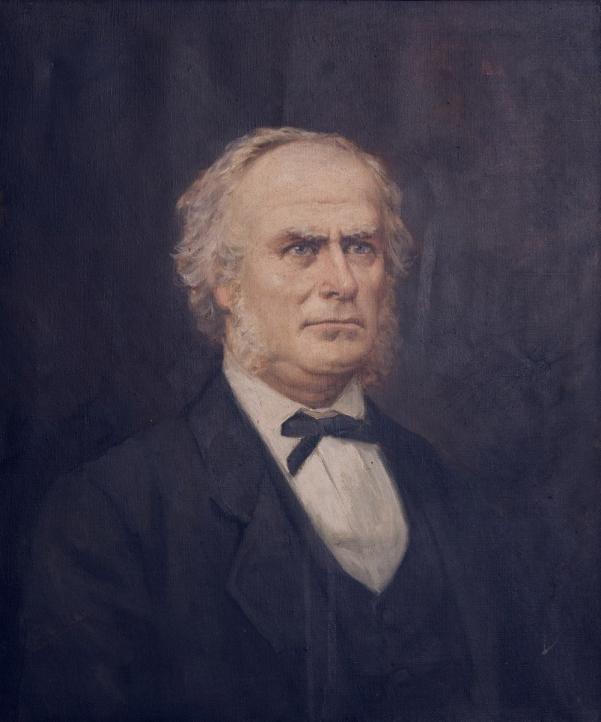
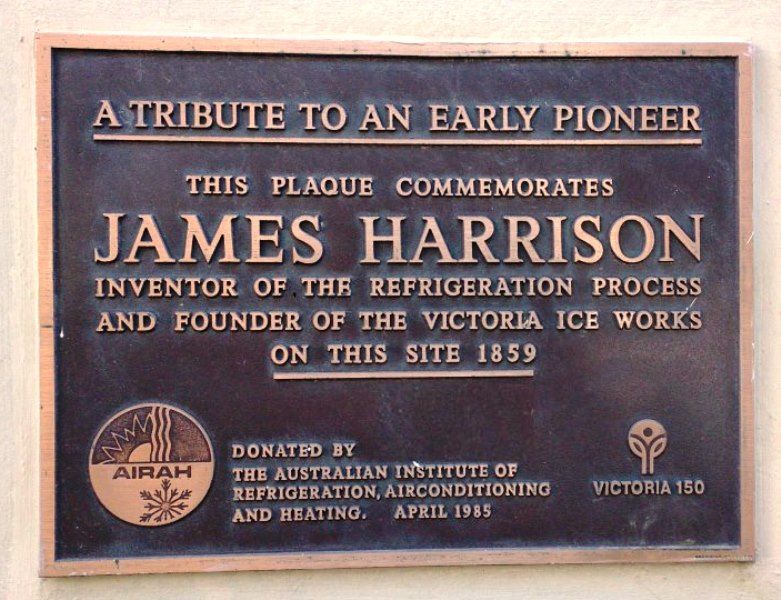
[Above left: James Harrison by E. Walter on display in Geelong Art Gallery | Above right: Plaque commemorating James Harrison at 100 Franklin Street, courtesy of the State Library of Victoria]
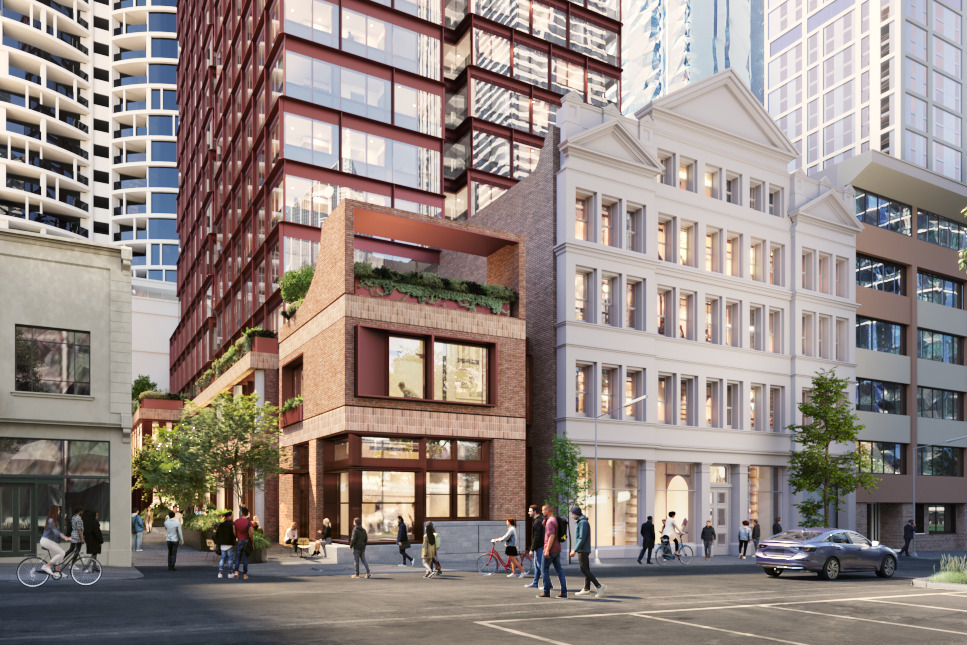
For more than 60 years, the ground beneath 100 Franklin Street was dedicated to keeping things cold and still. With its final fitout now underway, from early 2027, it will do the opposite: Journal Market Way, designed by COX Architecture, will turn the same site into a home for students from around the world, designed for warmth, movement and connection.
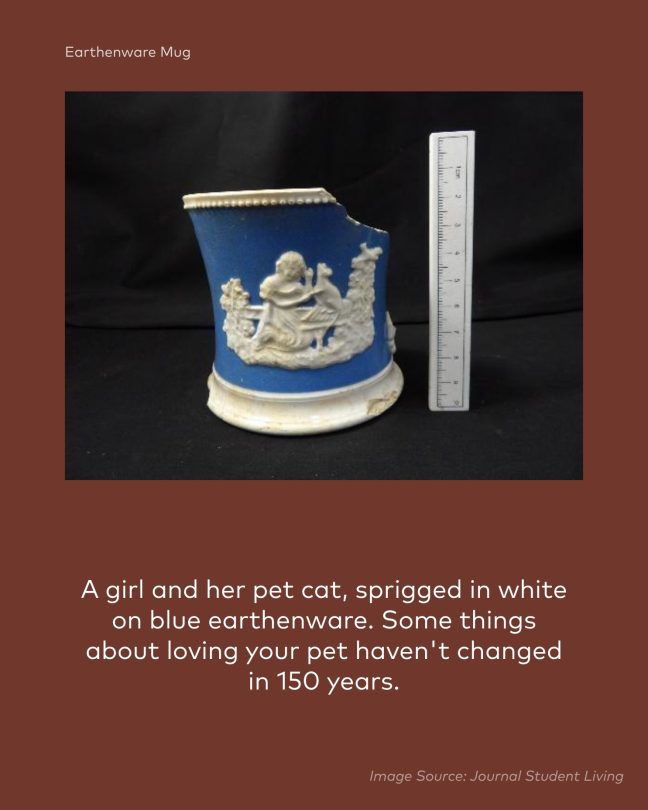
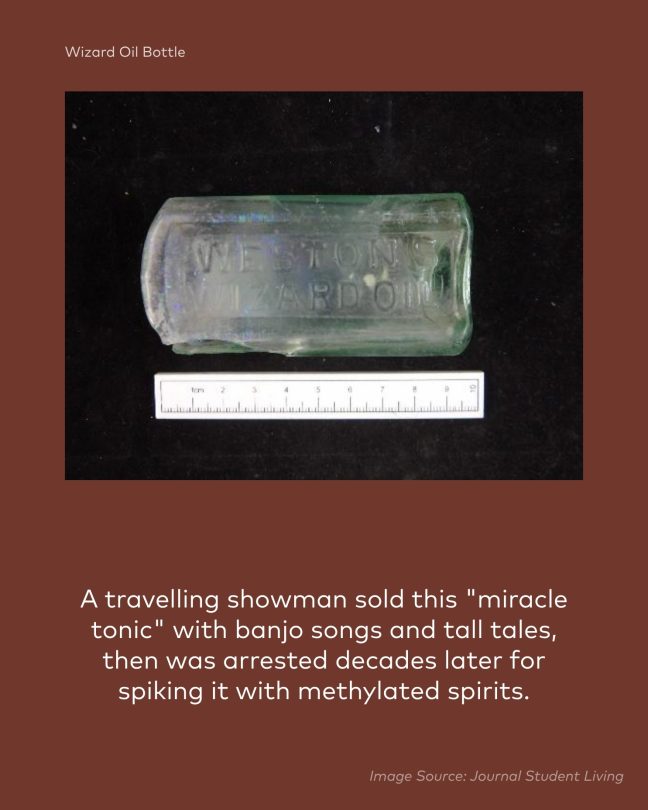
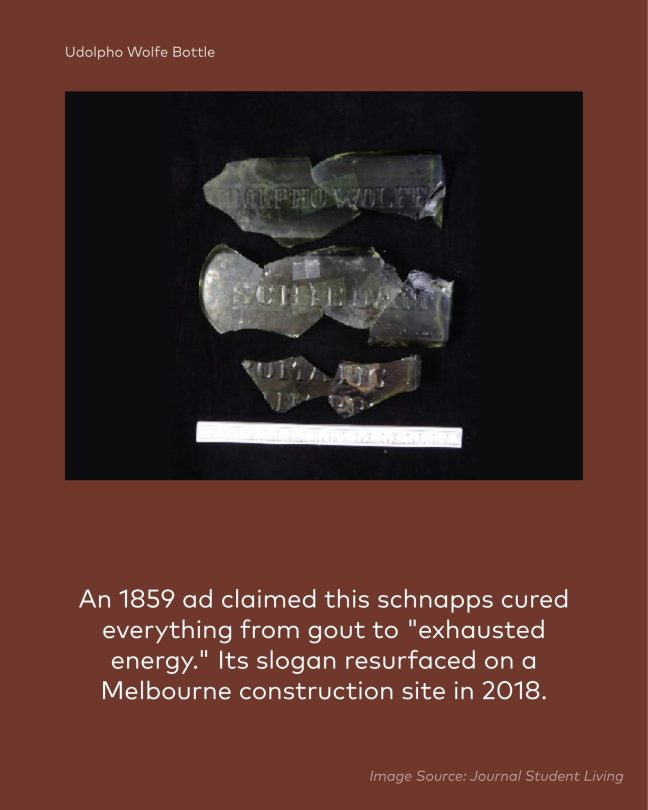
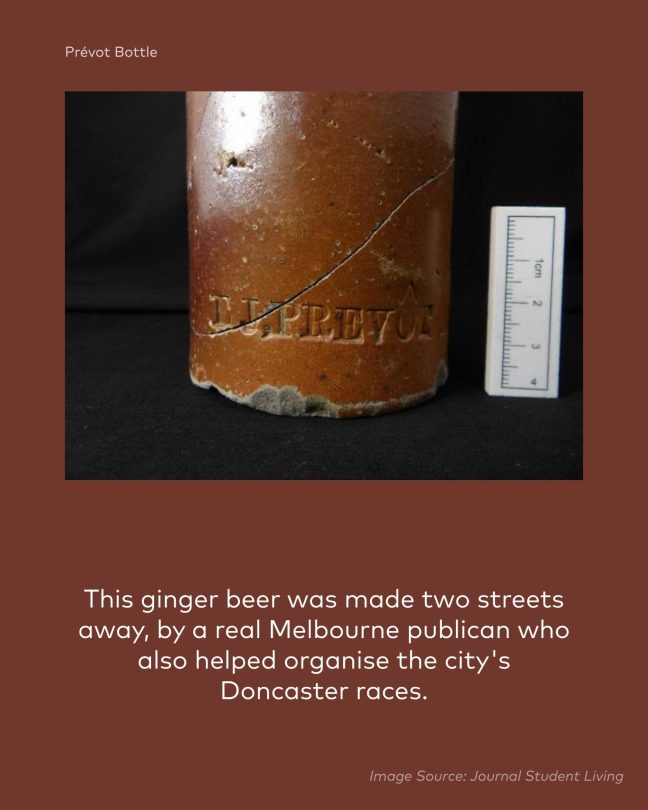
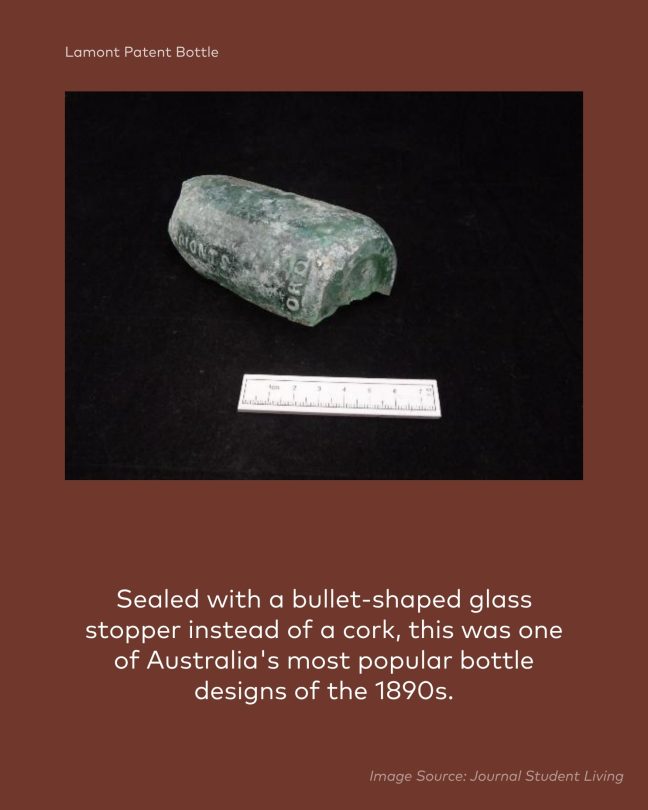
Archaeological excavations carried out ahead of construction, led by Christine Williamson Heritage Consultants and Archaeological Excavations in consultation with the Wurundjeri Woi Wurrung Cultural Heritage Aboriginal Corporation, recovered more than 6,700 artefacts from the site, including the foundations of Harrison’s ice-making machine itself: matching stone and brick machinery bases and wheel indents that once housed its flywheels, and a brick-lined base for its submerge. Alongside it, archaeologists found a cache of 19th-century household items including glass and beer bottles, ceramic plates and jugs, Wedgwood mugs and stoneware ink bottles.
Harrison relocated his ice-making operation from Geelong to the Franklin Street site in 1859, founding what became one of the world’s first commercially viable mechanical refrigeration plants, the Victoria Ice Works. In 1873, he won a gold medal at the Melbourne Exhibition for proving that meat frozen for months remained edible, an early milestone in the development of Australia’s frozen meat export industry. His ice works operated on the site into the 1880s.
The heritage-listed building now known as Burbank House, retained and restored as the front portion of the Journal Market Way design, was built later, in 1891, by stained-glass manufacturers Ferguson & Urie, once Colonial Victoria’s leading stained-glass firm. Once complete, the retained building will house Journal Market Way’s grand library, kitchen, dining area, study rooms and main entry lobby.
“There’s something quite poetic about this site’s history,” said Johannes Lupolo-Chan, Associate Director at COX Architecture.
“Journal Market Way purposefully melds Melbourne’s rich history with its dynamic present. Once the home of innovative 19th century industrialists, 100 Franklin Street will now be the address of a community of students from all over the world, shaping their own futures”, said Ian Davidoff, CEO at Journal Student Living.
Journal Market Way is a 40-level purpose-built student accommodation development delivering 715 rooms and extensive common areas – including a cinema, a music lounge, a makers space, podcast studio and rooftop sky lounge. Designed by COX, the project is scheduled for completion in September 2026.
With over 6,700 artefacts uncovered from the site, below are some of our favourites.