Three Days at Tocal
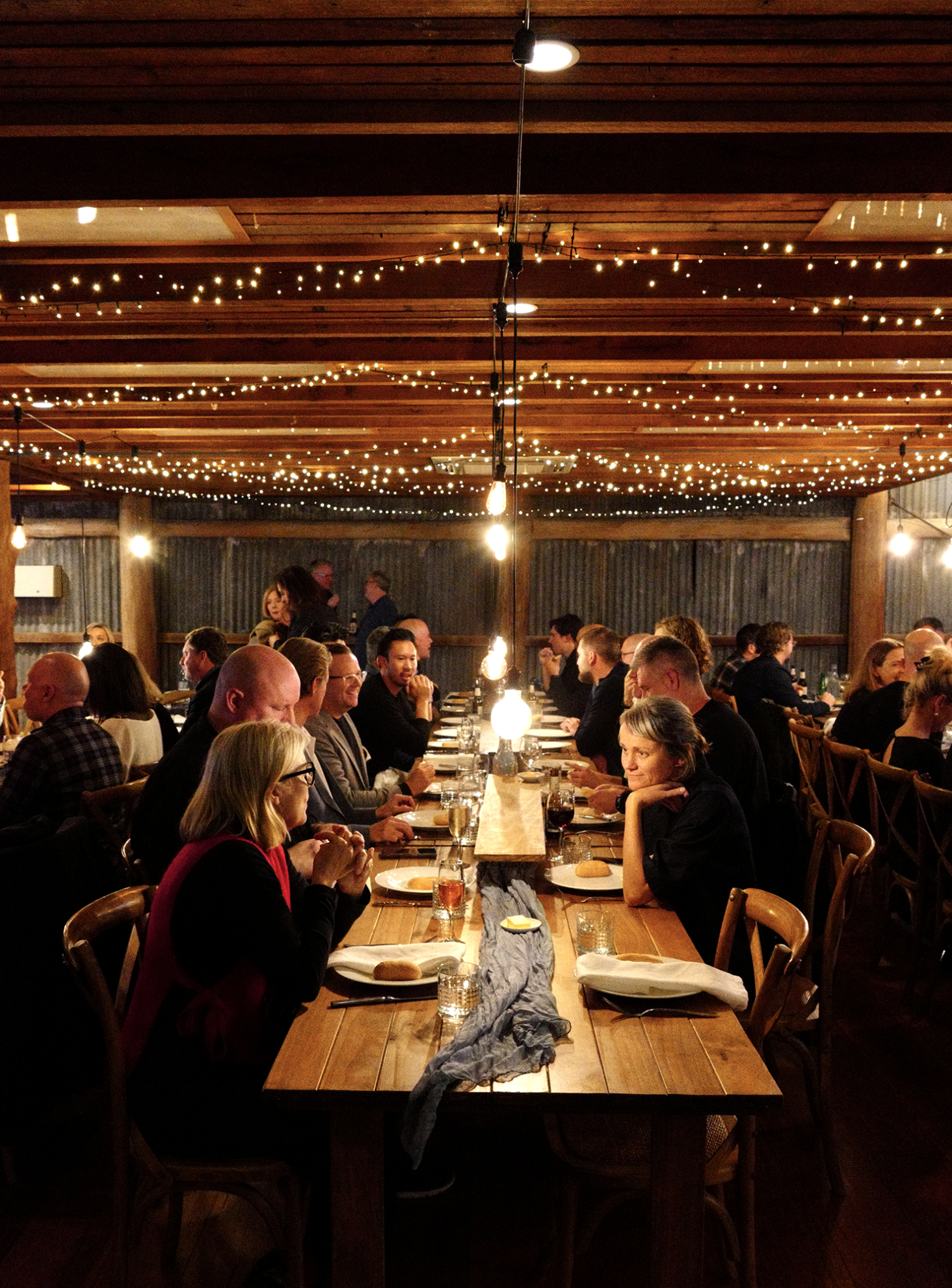
Three drizzly days in the Hunter Valley – where mist drifted over paddocks, the smell of wet earth was in the air, and the quiet comfort of brick and timber was all around.
Earlier this month, our Directors and Associate Directors returned from Tocal, the agricultural college that marked one of the first projects of a fledgling practice destined to become COX.
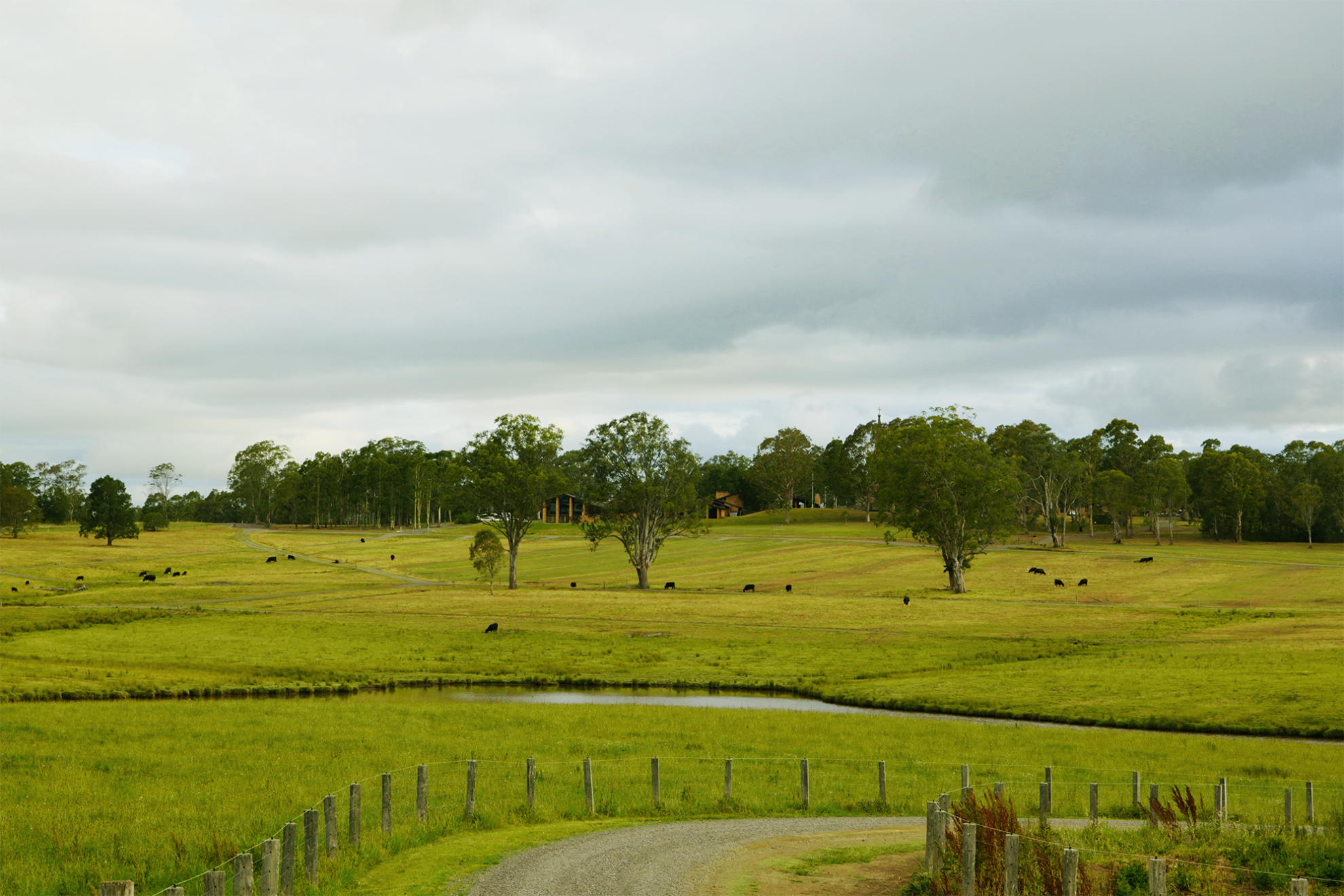
Commissioned in 1963 by the Presbyterian Church the design was entrusted to two young architects – Philip Cox and Ian McKay – the college their first major commission and a crucible for the design values that would define both of their careers.

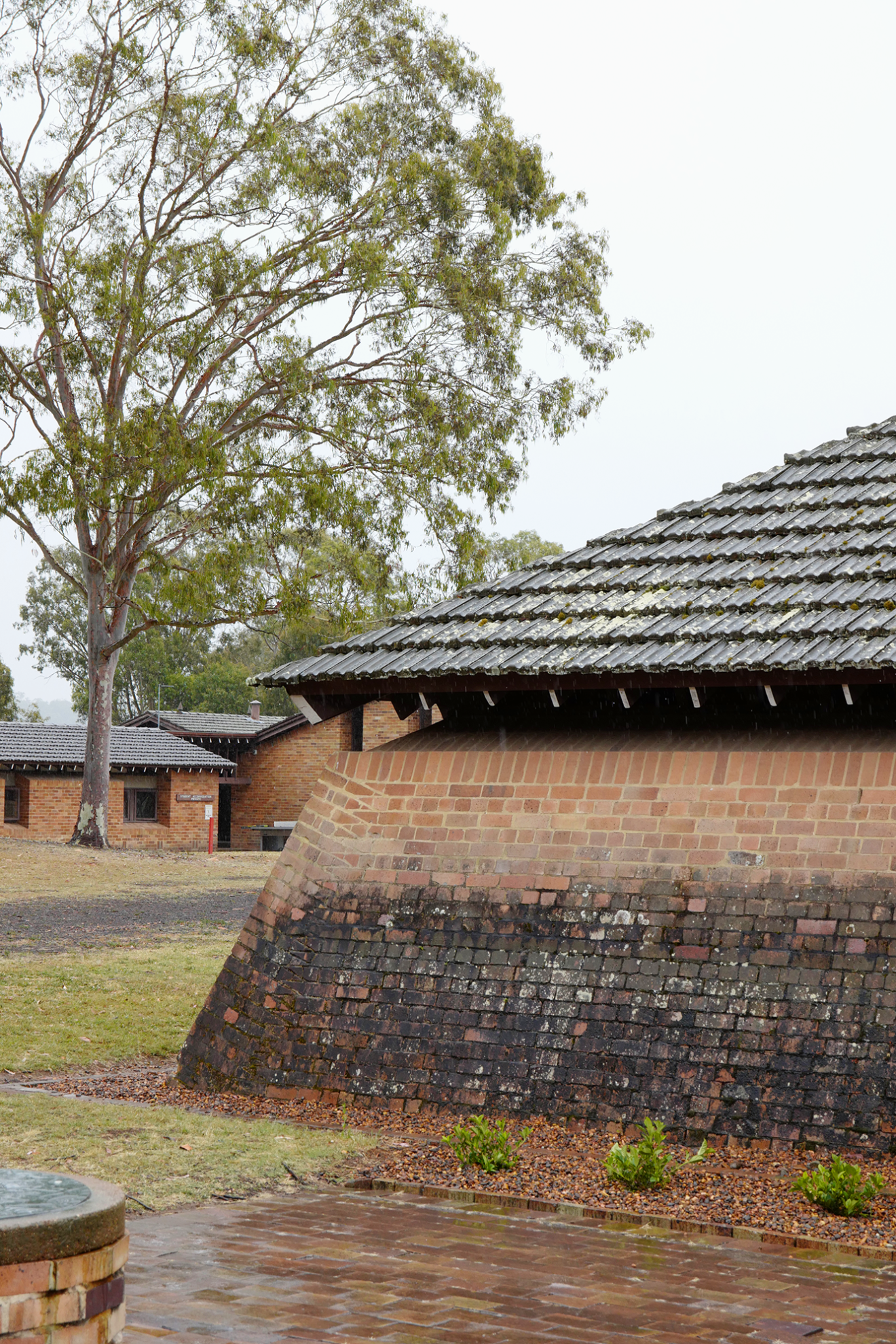
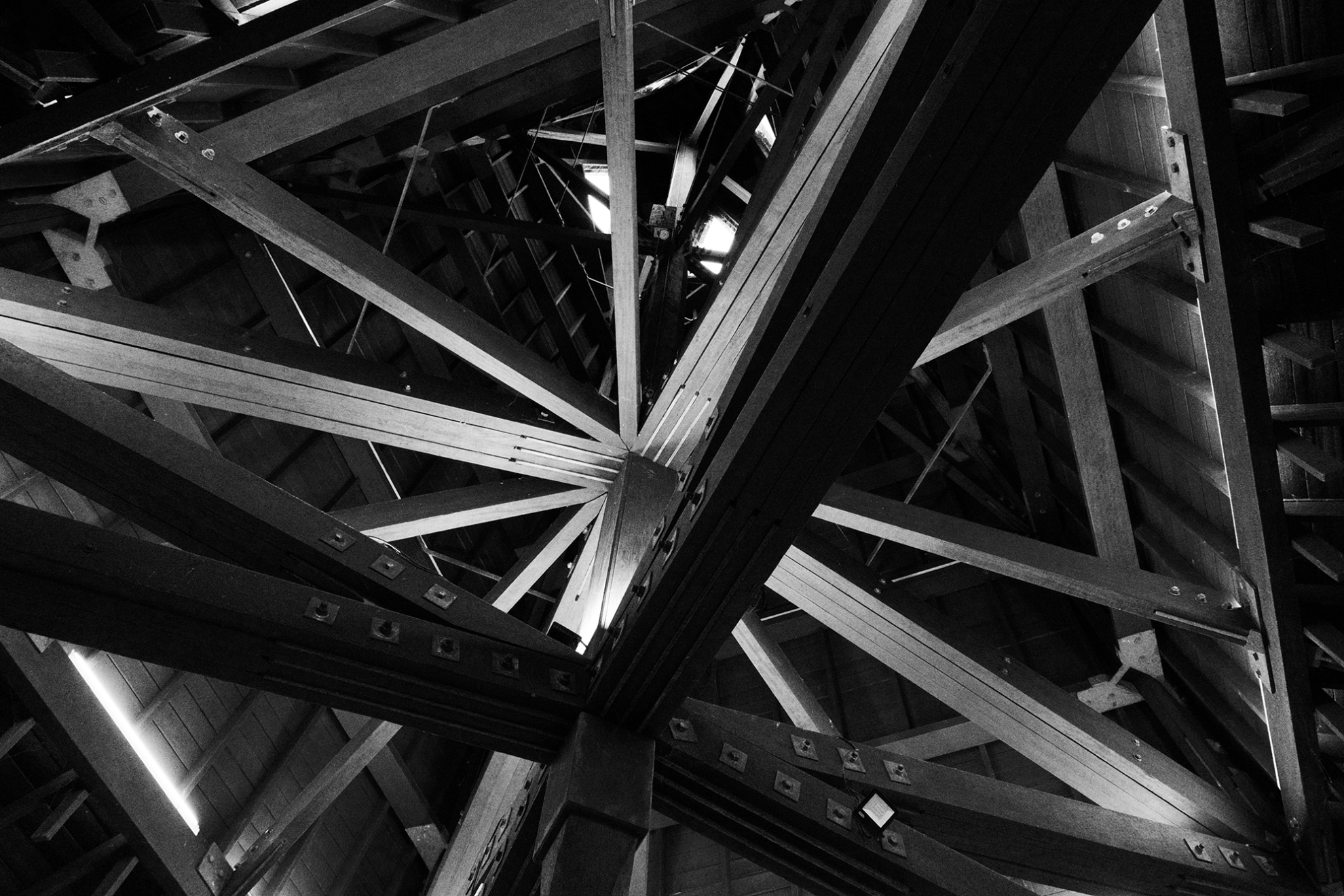
The design leans into the language of barns and silos – low-pitched roofs, deep verandas and courtyards. And then there’s the chapel with its soaring spire that anchors the project both physically and symbolically. Over 60 years later – the project still feels relevant.
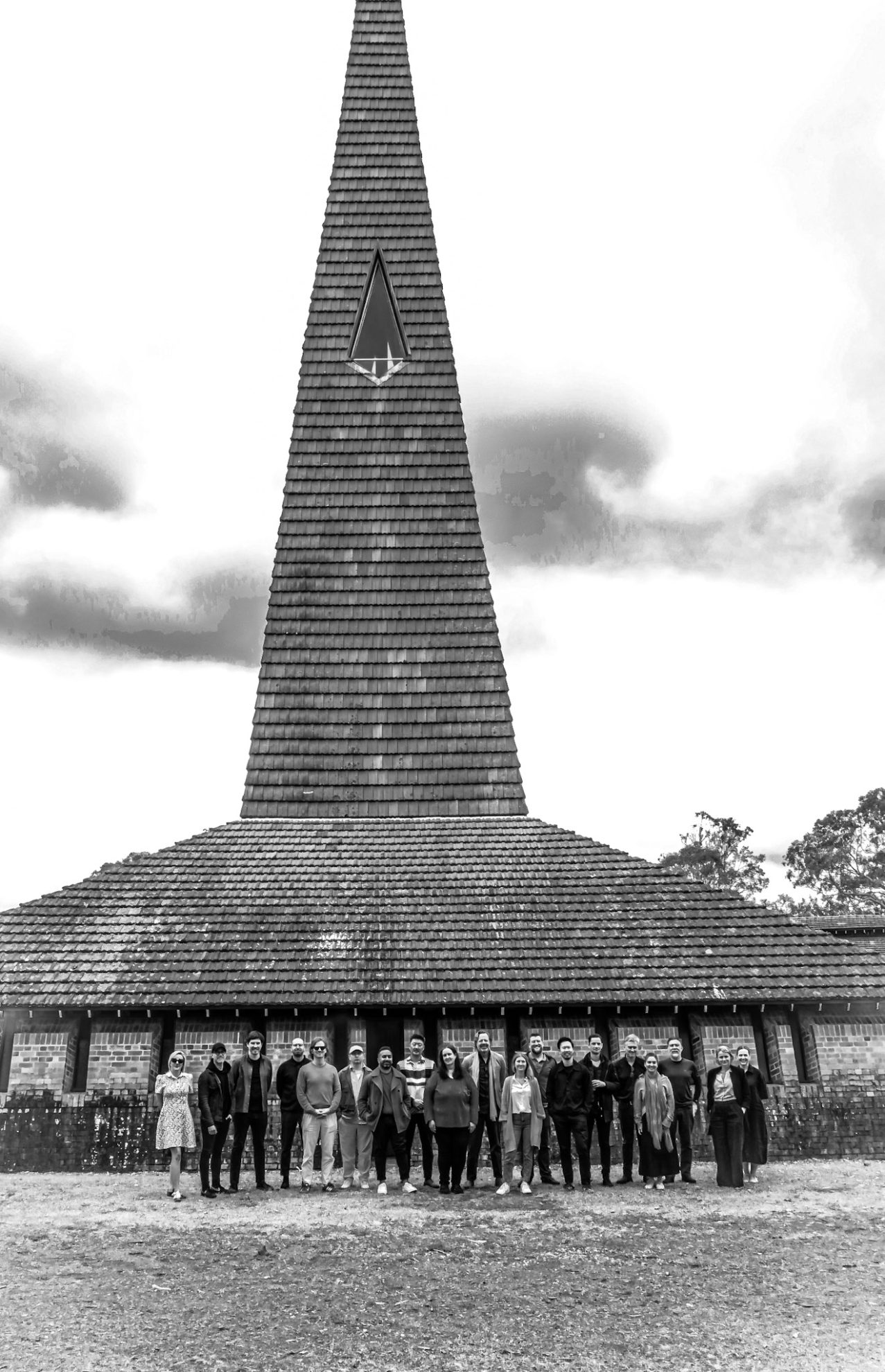
As Philip guided our Directorship around the grounds, he reminded them that Tocal is about more than form – at its heart, the project is defined by its making. Local timbers – ironbark, tallowwood, brush box – were sawn, hewn, and meticulously jointed in place. He also highlighted how the team had a hand in designing and crafting the furniture, with the chapel tapestry, lighting, and signage all carefully curated to realise a single, cohesive vision.
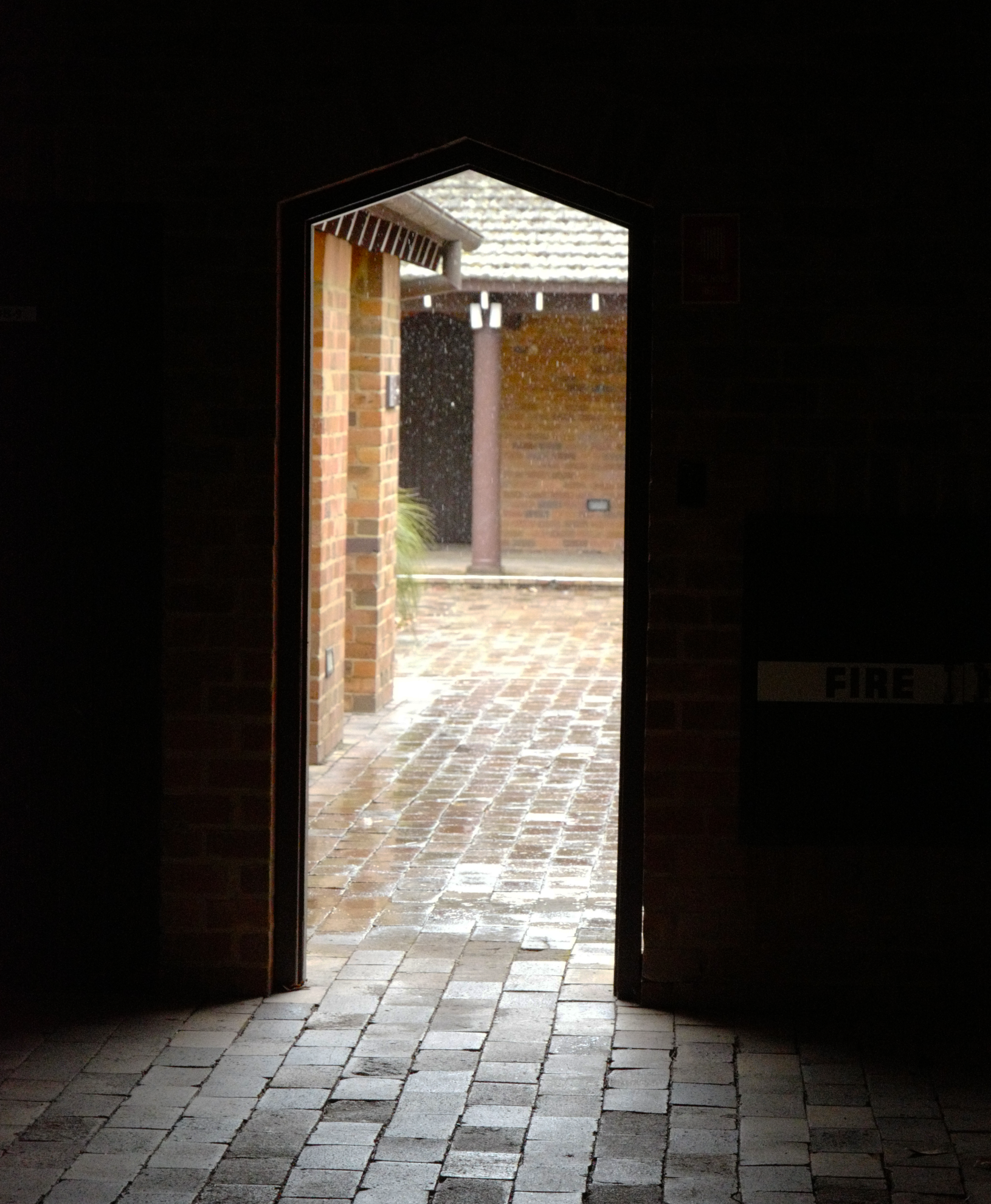
In the 60s, Tocal stood apart from the surrounding institutional modernist wave with a deliberate focus on place, climate, culture, structure, and humility. It helped articulate what became known as the “Sydney School” ethos – an architecture grounded in landscape, defined by craftsmanship, and generous in its spatial experience.
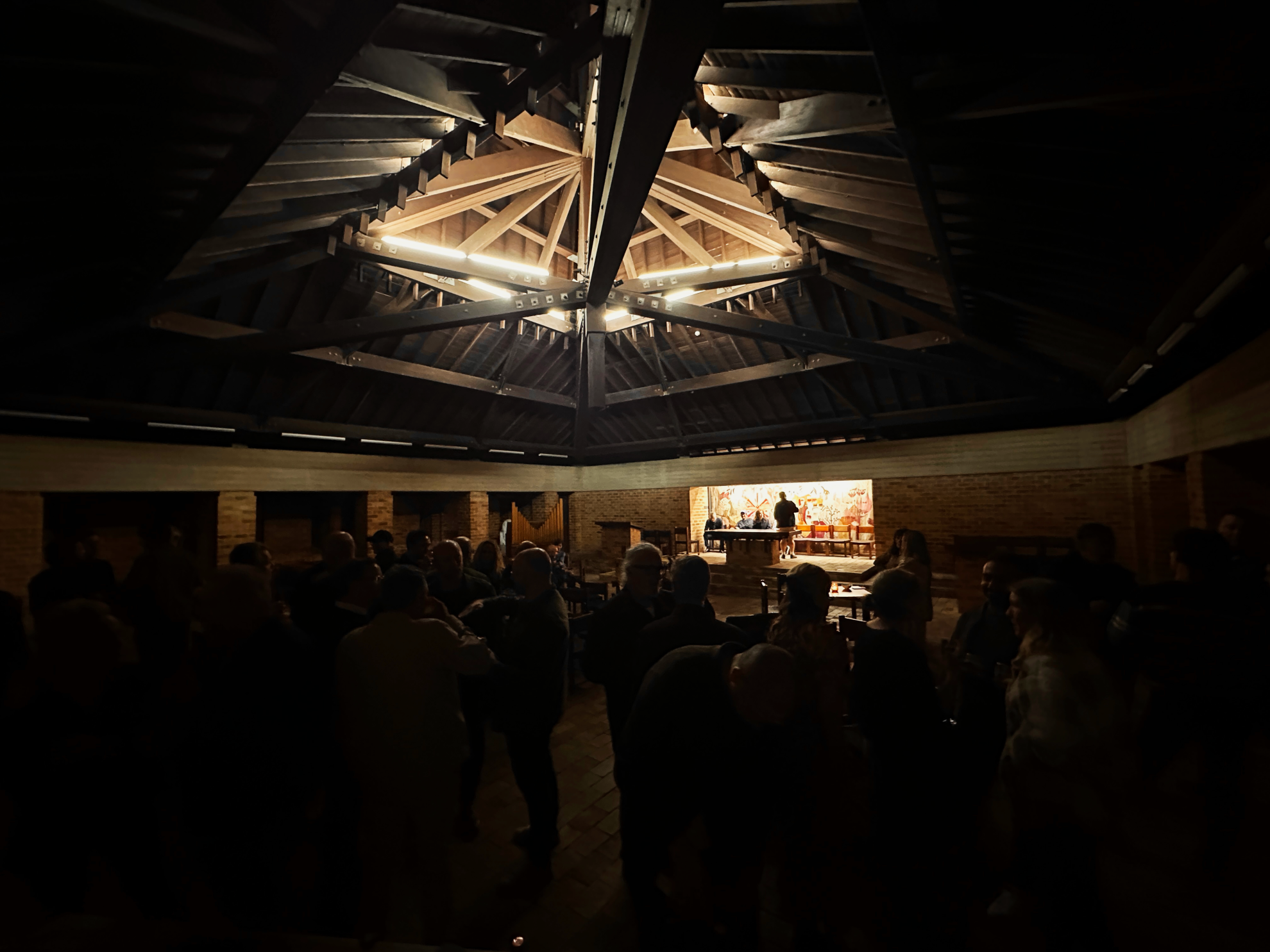
Recognition came early: Tocal received both the Sir John Sulman Medal and the Blacket Award in 1965. Decades later, in 2014, it was honoured with both the NSW and National Enduring Architecture Awards. In 2013, it was listed on the New South Wales State Heritage Register.
The values embodied at Tocal – sensitivity to place, material honesty, and people-centred design – remain central to how we work today.

“Tocal is so rich and diverse in its detail, there’s much to take in. But what truly stands out is the remarkable use of timber,” said Richard Coulson, Chair of the Board of Directors.
“At COX, reducing the embodied carbon of our projects is a core focus, and increasing timber usage is a key strategy in achieving this. Our expertise in timber construction is evident from our earliest works such as Tocal, but also in more recent projects such as Wurriki Nyal and the Adelaide Oval Hotel. Experiencing such considered timber construction reminds you of its beauty, and knowing its effective contribution to sustainable outcomes makes it all the more inspiring.”
Executive Chair, Patrick Ness
A place of beauty and of memory from another time. Where our practice understood the importance of pastoral care and the compelling impact of clarity of design on the human condition. Stripped of pretense, we were reminded how complex the design path is in seeking to achieve more with less.