RESEARCH: Designing for Discovery – Research spaces for tomorrow’s science
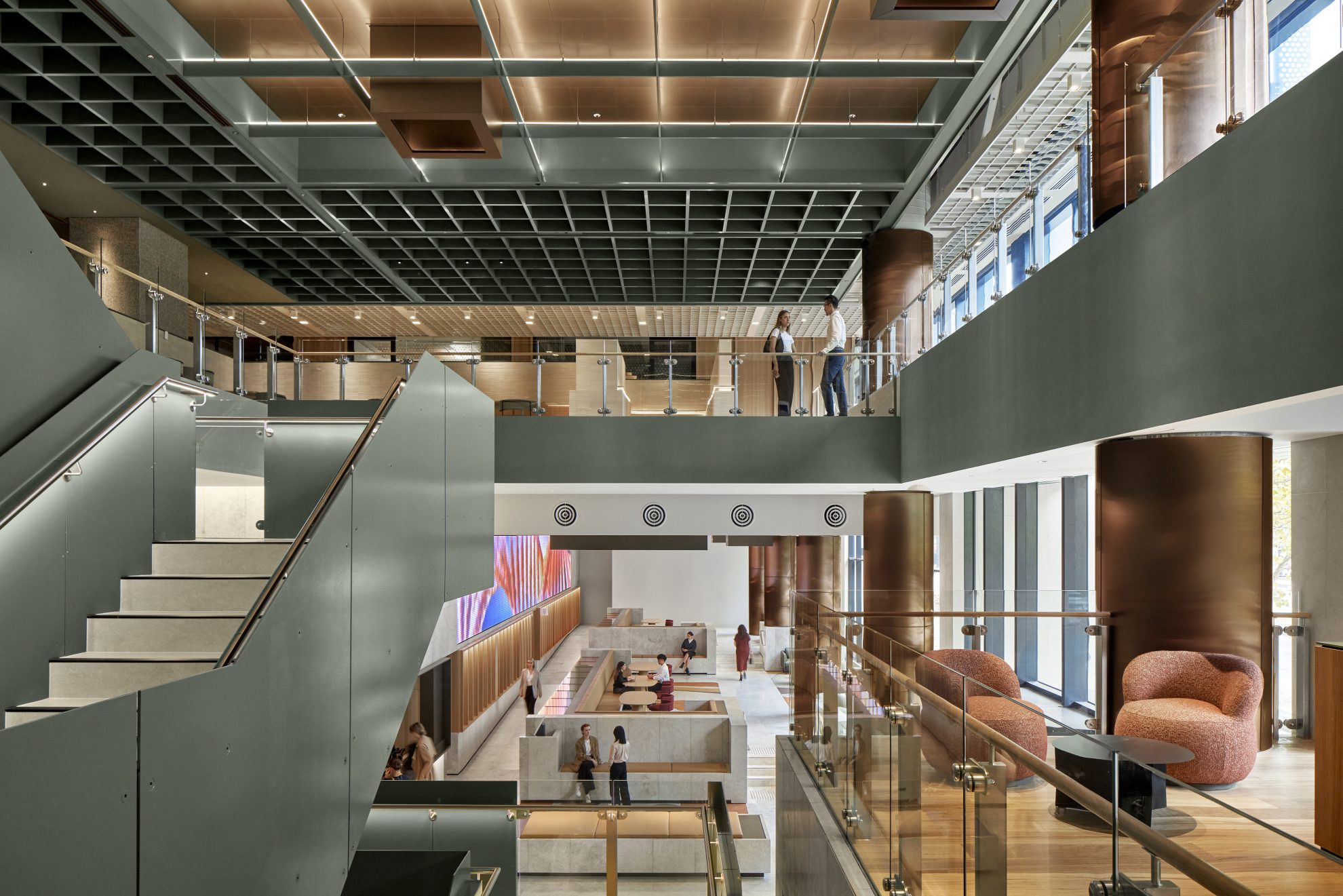
From the electronic pacemaker to spray-on skin, Australian research has delivered some of the world’s most life-changing medical breakthroughs. Yet in Australia, it can take a decade or longer for a new pharmaceutical product to reach the market, and the places where research happens play a part in how quickly discoveries move from the lab to the patient.
Our research paper, Designing for Discovery, shows how design can help, with practical strategies for building, converting and running research facilities. It comes as Australia’s healthcare and Life Sciences property sector is expected to more than double in value to around $12 billion by 2028, while specialised space is already in short supply.
At the same time, the science inside these buildings is changing quickly. Researchers now work alongside clinicians, engineers and technologists, and the lab itself looks different. COX Senior Associate, Alex Purdon, saw this firsthand while working on the Global Headquarters of biopharmaceutical leader CSL in Melbourne, “A lot of the labs in CSL were moving to a digital process where scientists monitor remotely and machines require supervision, so you’re not actually in the lab like you would have been five years ago.”
A building designed around the way research used to be done can hold it back, with expensive refits, high running costs and teams that struggle to work together.
Designed well, a facility helps science move faster. At the Aikenhead Centre for Medical Discovery in Melbourne, no organisation has its own lab or desk, so researchers, clinicians and engineers can test and refine ideas together every day.
Examples like this run throughout Designing for Discovery, which draws on interviews with twelve leaders across the sector, including CSL and Life Sciences real estate platform Area 53 alongside COX’s own experience designing research facilities. It covers what it takes to turn an existing building into labs, the costs and challenges facing the sector, and lessons from leading precincts in Basel, Boston and London.
The faster a discovery can move from the lab to the patient, the sooner it can change lives, and the right building can help it get there.
Please email our Head of Research, Jacqueline Baker at Jacqueline.Baker@cox.com.au to talk with our team about your next project or fill out the form below to access Designing for Discovery.