RESEARCH: Culturally Sensitive Design for Australian Law Courts
According to the latest Census, 32% Australia’s population were born overseas and 3.2% identify as Aboriginal and/or Torres Strait Islander. Yet our courts are shaped by British institutions of justice, and for many of the people who pass through them, they can feel hostile, stressful and sterile.
Our paper, Culturally Sensitive Design for Australian Law Courts, sets out six principles for designing courts that serve all these communities, to guide the problem-solving and innovative thinking required to provide equal access and protection, regardless of race, ethnicity or language.
For a victim of crime, attending court can mean passing through security screening, waiting up to six hours and giving evidence in the same building as the accused, each step carrying its own risk of re-traumatisation. For many First Nations people, a multi-level courthouse can be overwhelming before a hearing has even begun.
As a victims of crime specialist interviewed for the paper explained, “People don’t recover from trauma; they rewrite their narrative.” The design of a court can help people through that process or inadvertently add to the harm.
Many people also don’t ask for help. Court participants often keep cultural, religious or language needs to themselves because of embarrassment, fear of being mocked or distressing past experiences, so courts need to anticipate them rather than wait to be told.
“In our experience as designers, culture-related needs and the requirements of courts are too often ‘diametrically opposed’,” says COX Head of Research, Jacqueline Baker.
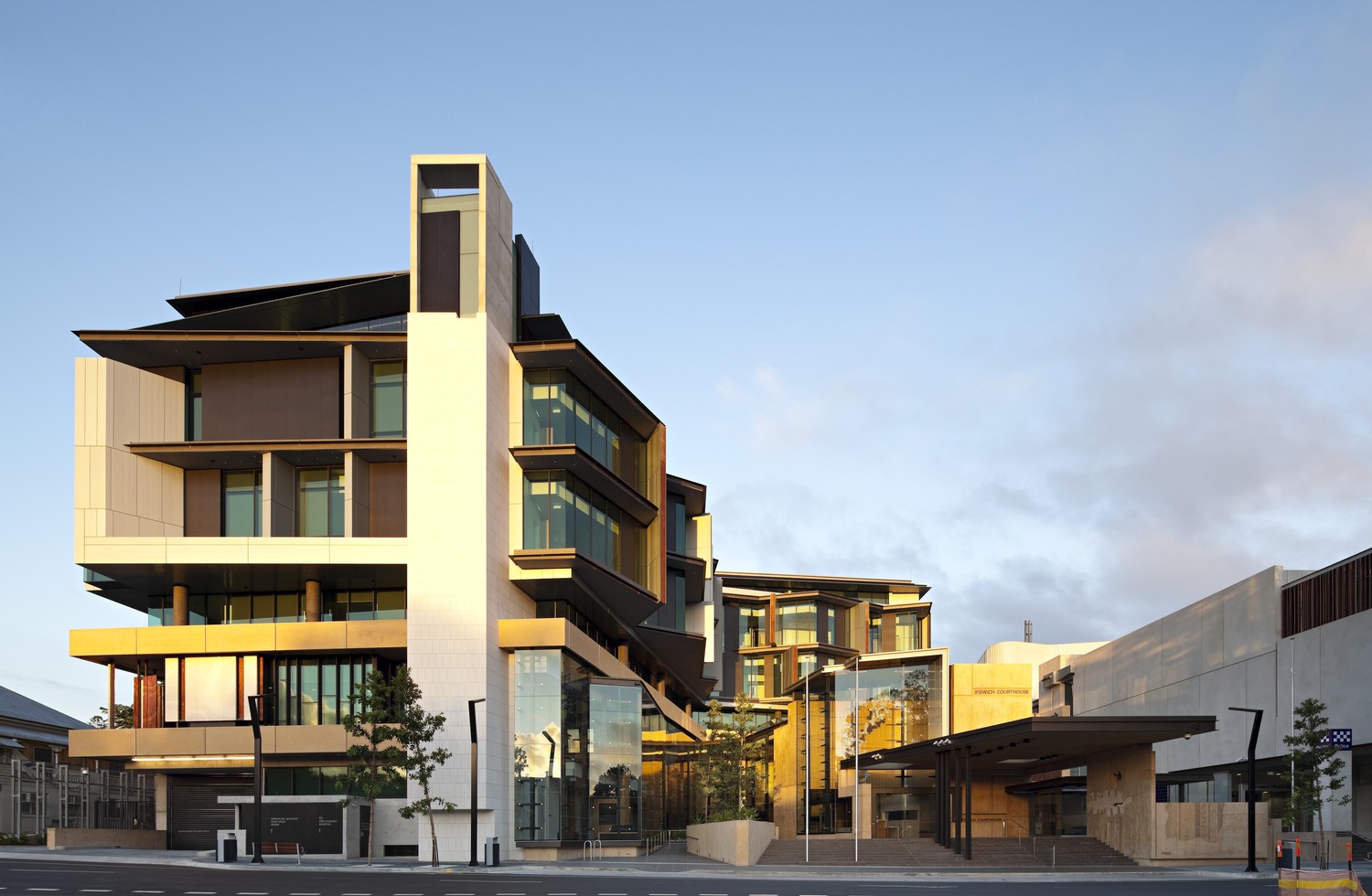
The paper shows how court design can meet these competing demands while respecting the cultures of every community a court serves. Developed in consultation with judicial officers, Indigenous stakeholders and specialists in corrections and victims of crime, it draws on published research, COX’s experience designing justice projects such as the Ipswich and Christchurch Justice Precincts, and our Trauma-Informed Design Toolkit.
A fair hearing depends on people being able to tell their story, and every space in a court, from the forecourt to the witness box, shapes how well they can.
Please email our Head of Research, Jacqueline Baker at Jacqueline.Baker@cox.com.au to talk with our team about your next project or fill out the form below to access Culturally Sensitive Design for Australian Law Courts.