Stromlo Forest Anglican College Welcomes its First Students as Early Education School is Complete
Since 2015, COX Architecture (COX) has collaborated with the Anglican Diocese of Canberra and Goulburn in our role as master planners and architects on a portfolio approach to development opportunities for a range of community-use sites across the ACT and NSW region. As part of this broader portfolio, we are excited to see the first stage of Stromlo Forest Anglican College (SFAC), a new school in the inner Canberra suburb of Molonglo, reach completion.
COX Associate Director, Gerard O’Connell
The Stromlo Forest Anglican College is the most recent project in a long collaboration between the Anglican Diocese of Canberra and Goulburn and COX Architecture. It has been a pleasure to work in an environment where design ethos and pedagogy can each push each other over time – iterating with continual improvement.
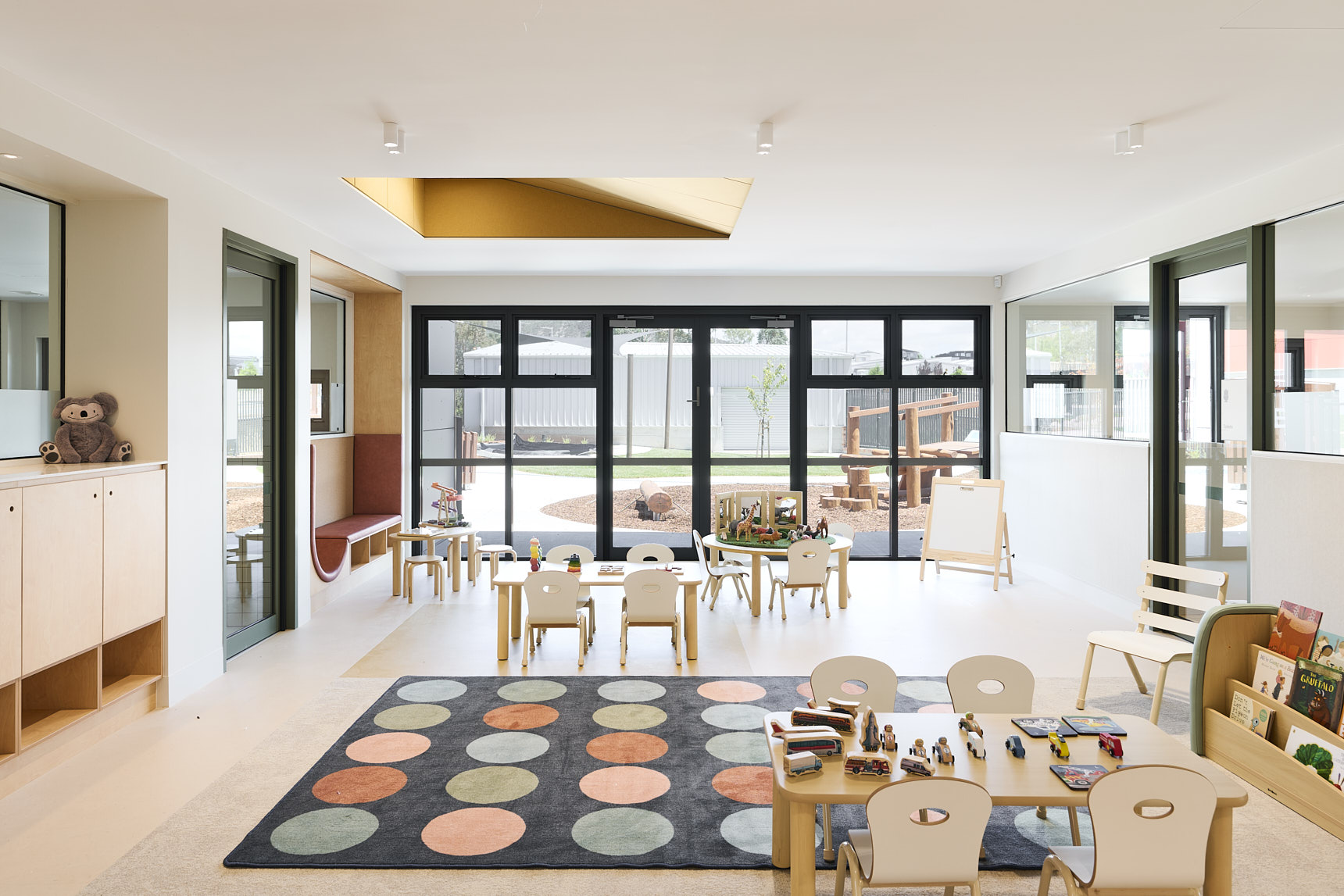
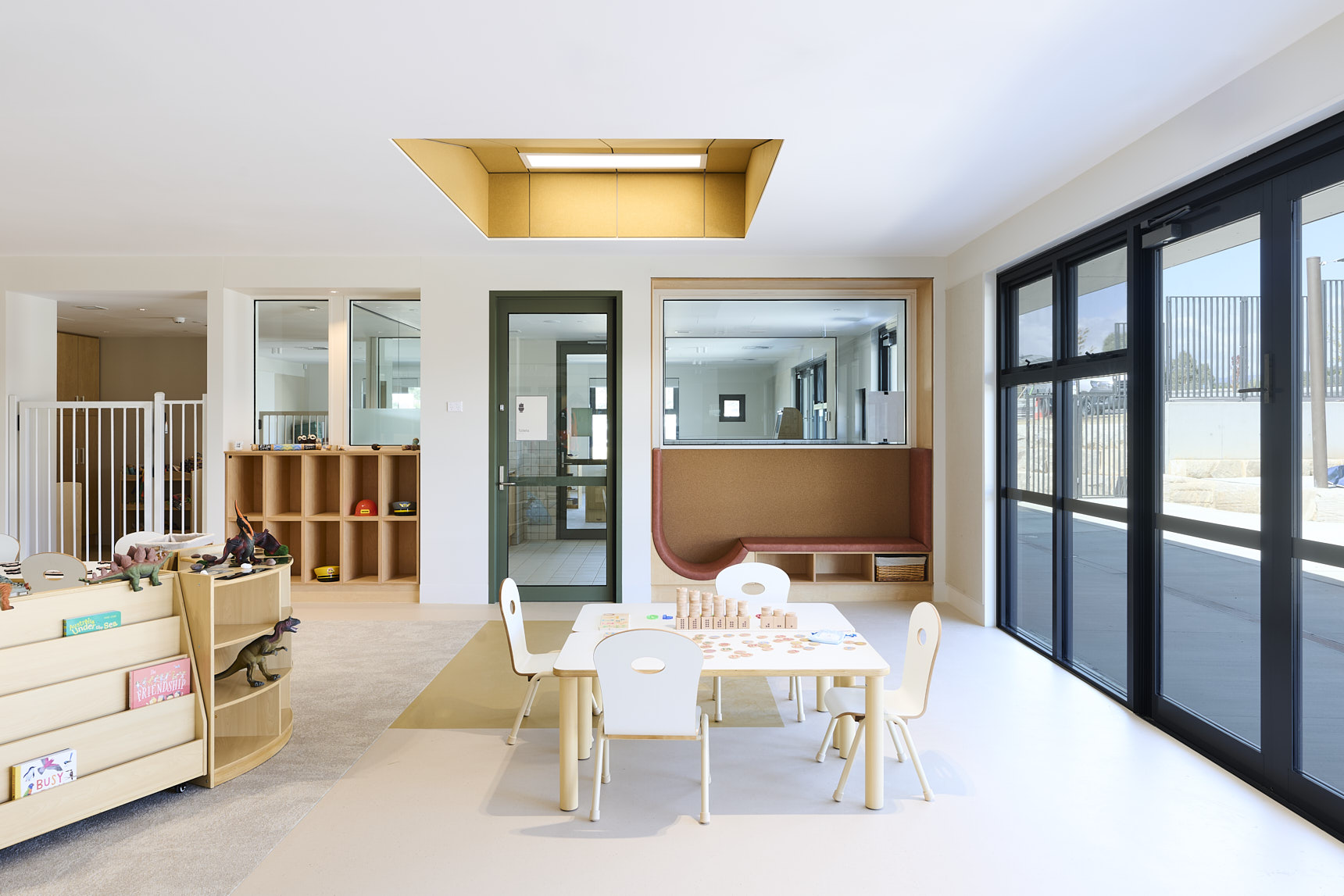
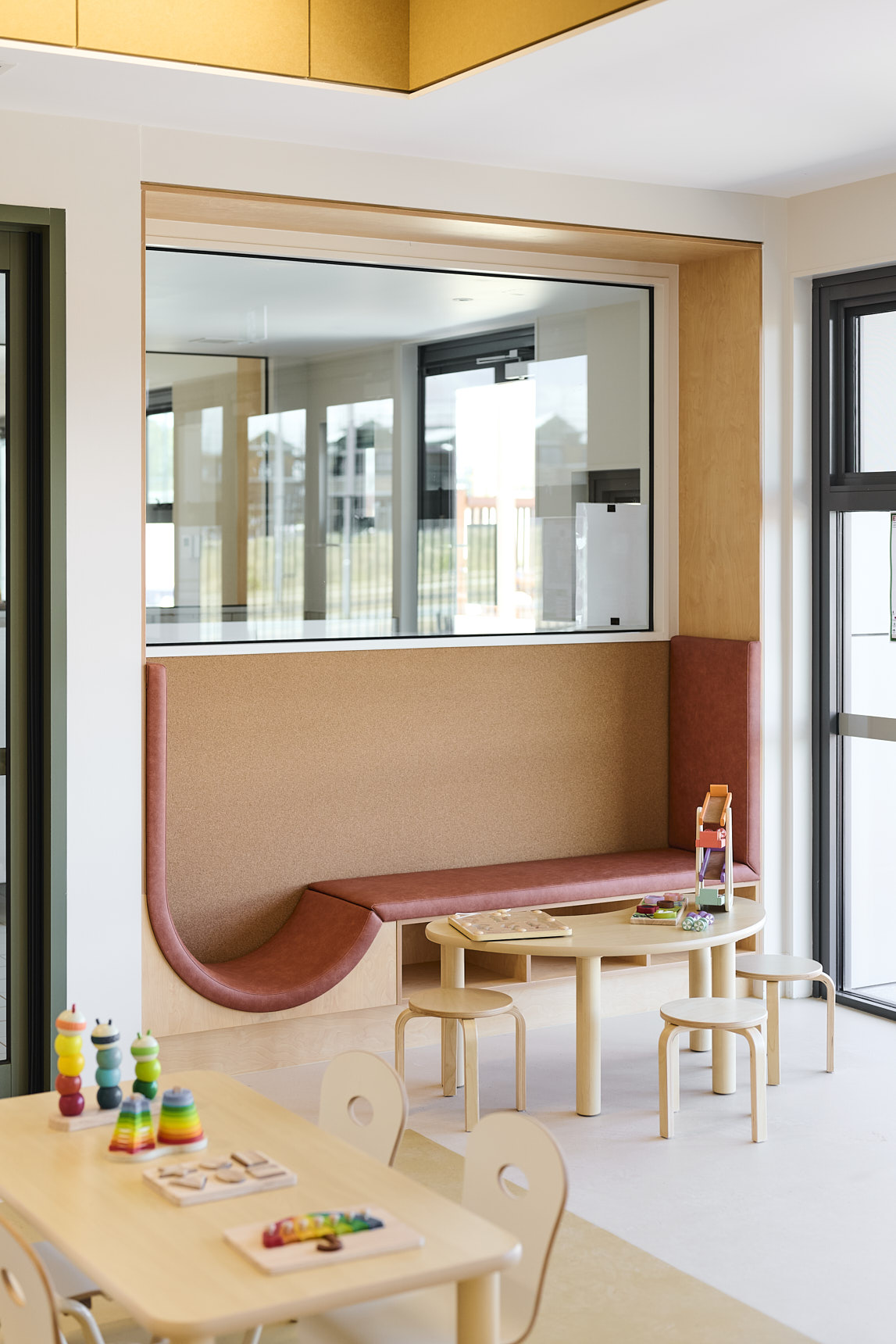
The Early Education School (EES) – the first completed stage – has welcomed its first students for the 2026 school year, marking a significant milestone in the development of this landmark educational campus. SFAC will grow into a community-focused College accommodating over 1,800 students from early learning to Year 12 over six stages. While the EES is single-storey, future stages will feature a more vertical design, reflecting COX’s ongoing exploration of Vertical School pedagogy previously applied at Adelaide Botanic High School, Fortitude Valley State Secondary College in Brisbane, and Docklands Primary School in Melbourne. The project is also on track towards its target of zero-carbon operation and Living Future Institute certification.
Positioned in the foothills of Mount Stromlo, the highest point on the site is given to the youngest students. The EES is treated like a ‘little temple’ that holds the western edge of the campus, nestled into the hill to create a strong connection to the surrounding neighbourhood.
SFAC Principal, Andy Gordon
Schools are about people relating to each other and the environment, which makes design authentic and organic to human behaviour.
“We aimed to create an environment where children feel connected to the place where they live and the school community that is emerging around them,” says Gerard.
While the EES, from Childcare to Year 2 this year, has distinct characteristics and requirements, the building unites them under one roof, creating opportunities for connection between children of different ages and encouraging integration between cohorts.
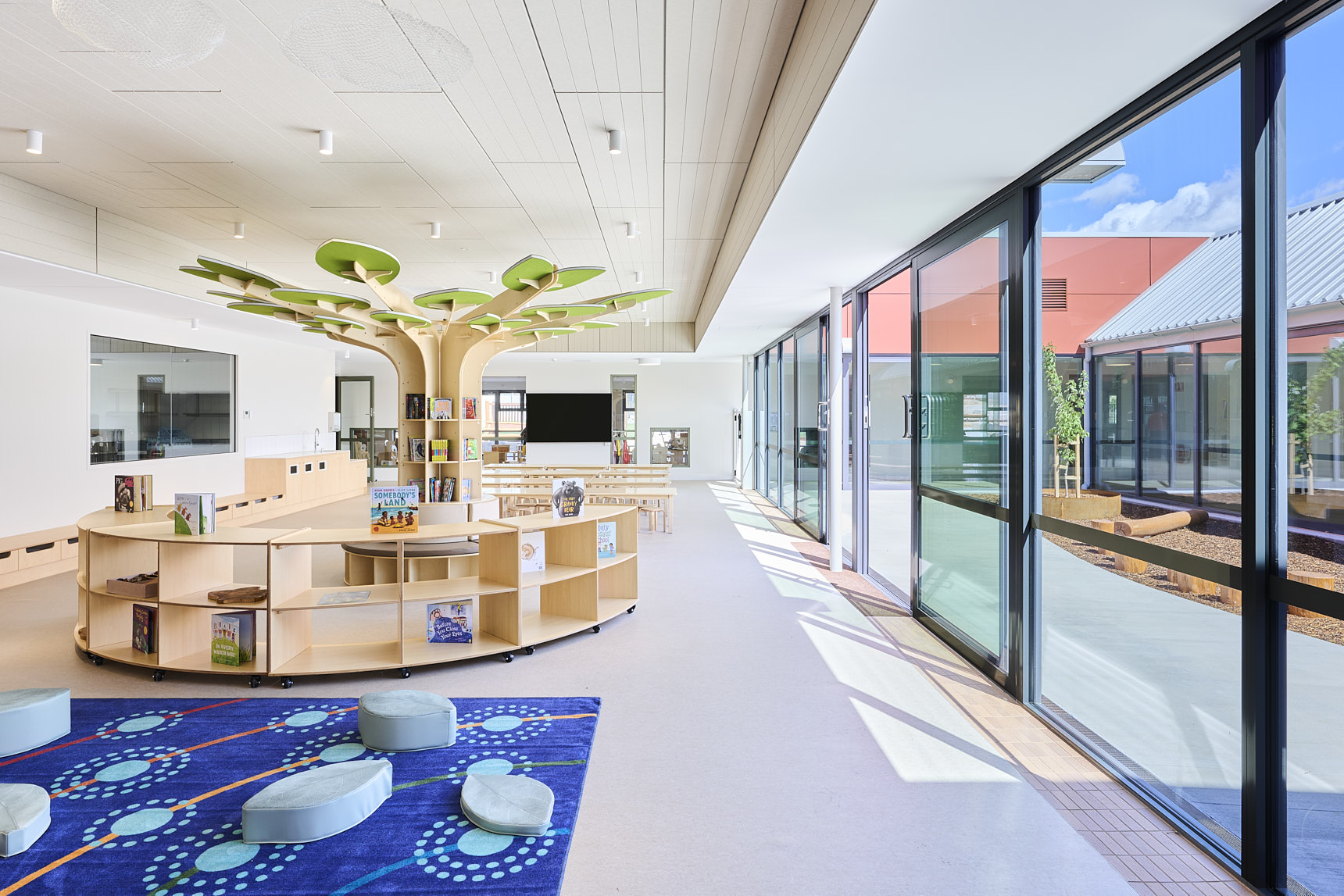
Generous in scale, the courtyard animates internal circulation areas and common spaces, including corridors and the dining room. Classrooms are arranged along the perimeter of the building, each with a strong connection to its own unique landscape while maintaining additional light and views into the courtyard. This balance of light sources reduces glare throughout the day and gives students an implicit sense of the passing of time, regardless of where they are in the building.
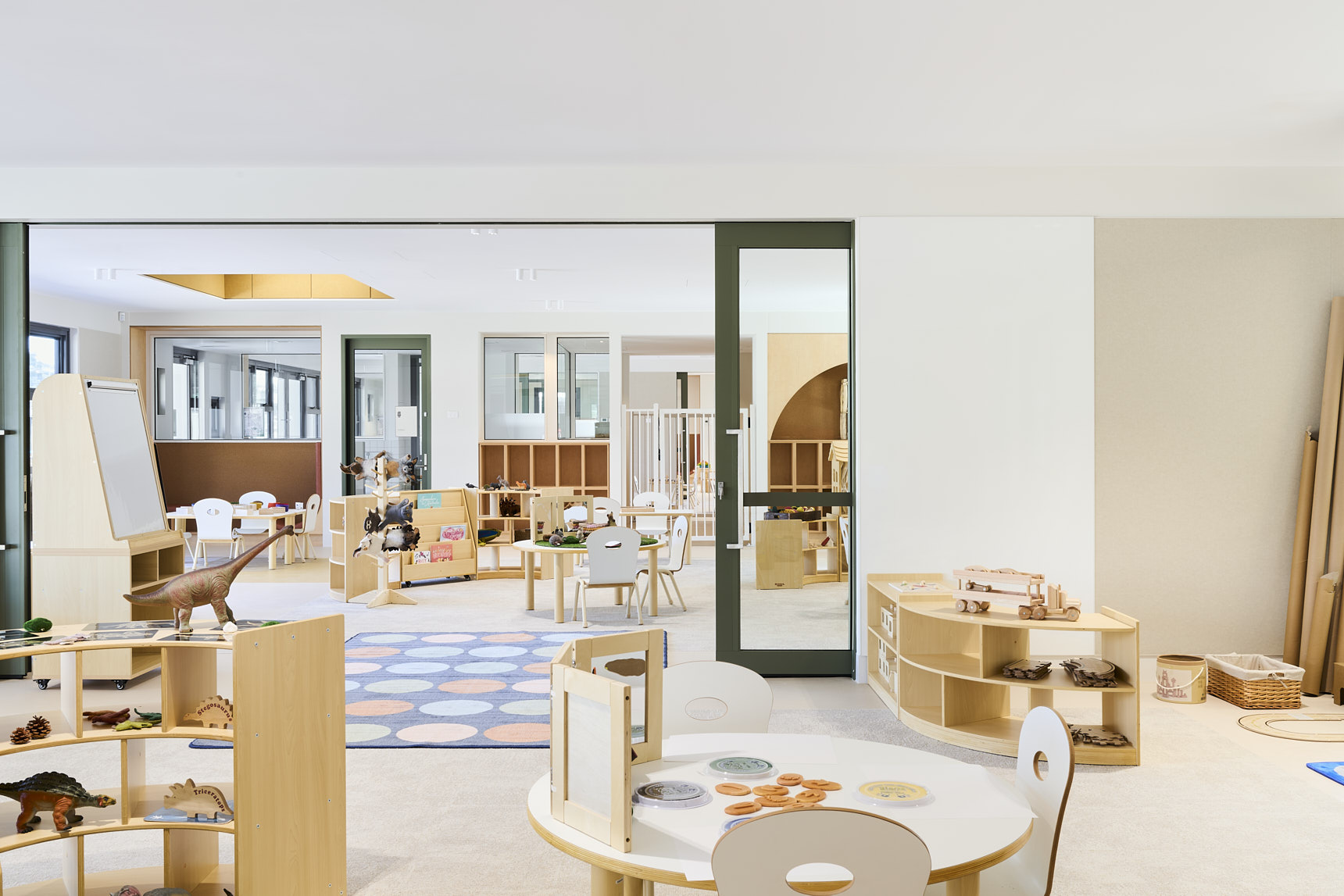
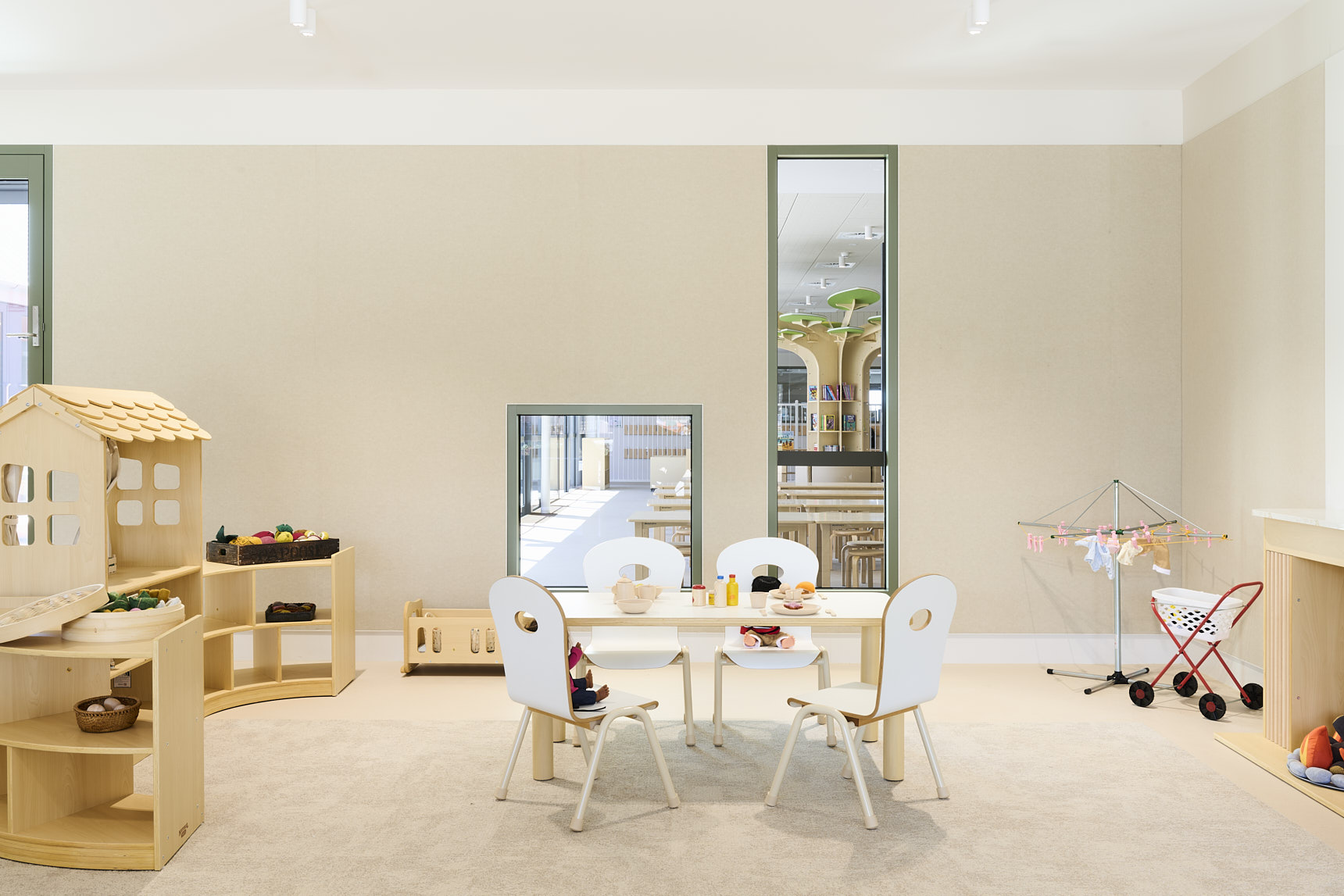
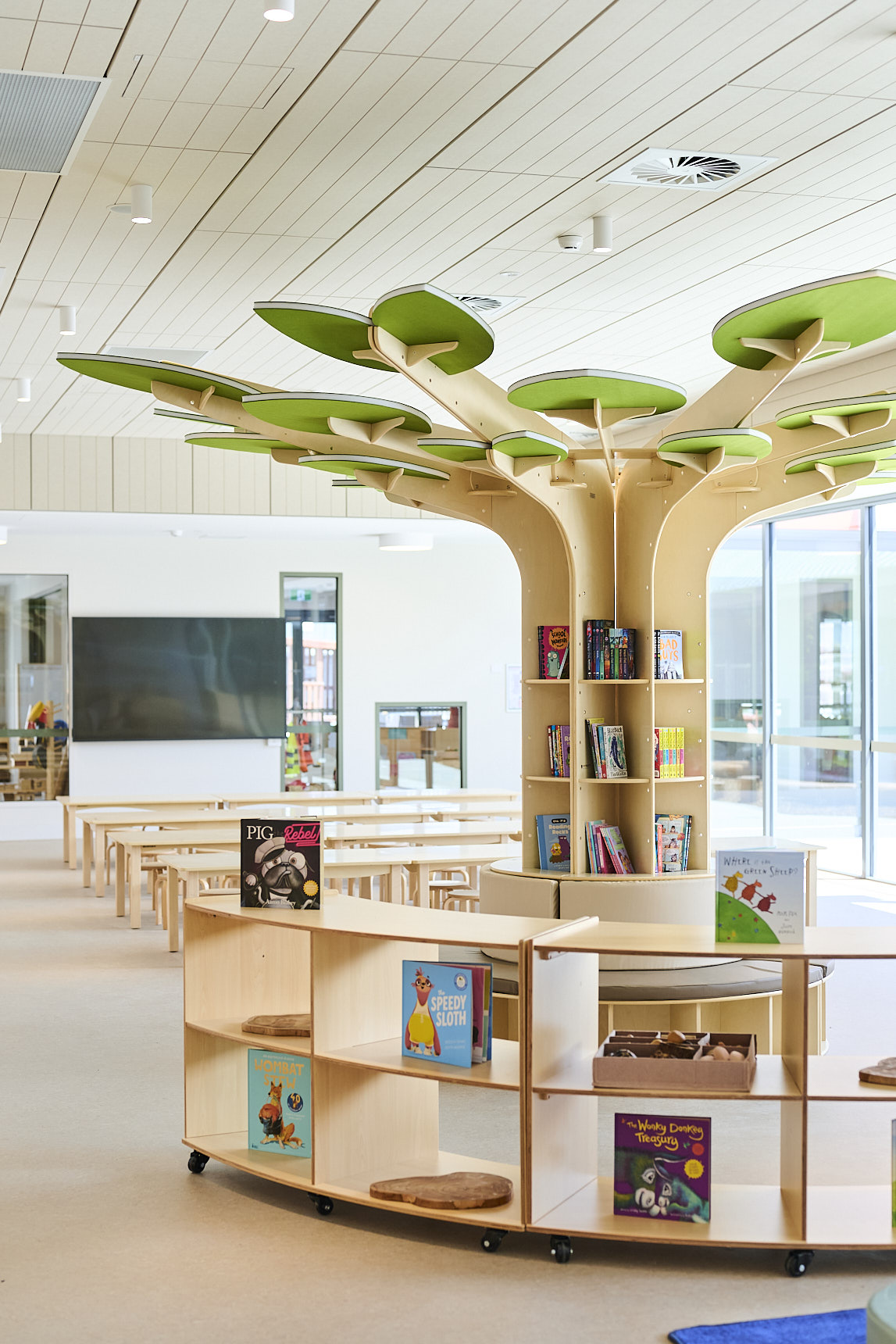
The landscape responds to the needs of different age groups. For younger children, outdoor areas focus on tactility and shade, while the kindergarten spaces utilise the slope of the site for integrated play equipment, walls and steps that encourage exploration and more adventurous play. At the heart of the building, the common dining space becomes a central component of the student experience. Collective eating is encouraged, with viewing spaces into the kitchen, notice boards and hand-washing facilities supporting active participation in this small community. After hours, the space can pivot into a community meeting venue, supported by a front-of-house kitchen that allows local groups to gather and host events, strengthening the connection between the school and the wider community it serves.
With Stage 1 complete, Stage 2 (Primary School, Years 1-6) is already under construction for a 2027 opening. Future stages will deliver the Secondary School, Senior Secondary building, sport centre, oval and shared facilities, ultimately creating a vibrant hub for students and the wider Molonglo community.
[All above photography: Ashley St George]