Project Contact
Gerard O’Connell
Alyssa Valenton
Connie Martiniello
Daniel Da Cruz
Grant Macdonald
Jason Sparks
Justin Bennett
Karen Clutson
Nada Michelin-Jones
Robert Collie
Shayne Dyer
Sonia Palmer
Vanessa Judge
Zoe Taylor
Alexander Leiva
Anthony Pham
Brendan Donnan
Jakub Beseda
Jeremy Medlock
Jovan Van Kampen
Kate Lowth
Katina Vlandis
Samantha Webb
Tim Kreibig
Veronika Lisman
Queanbeyan Civic and Cultural Precinct
Queanbeyan, New South Wales
[Above]: Photography – Kiernan May
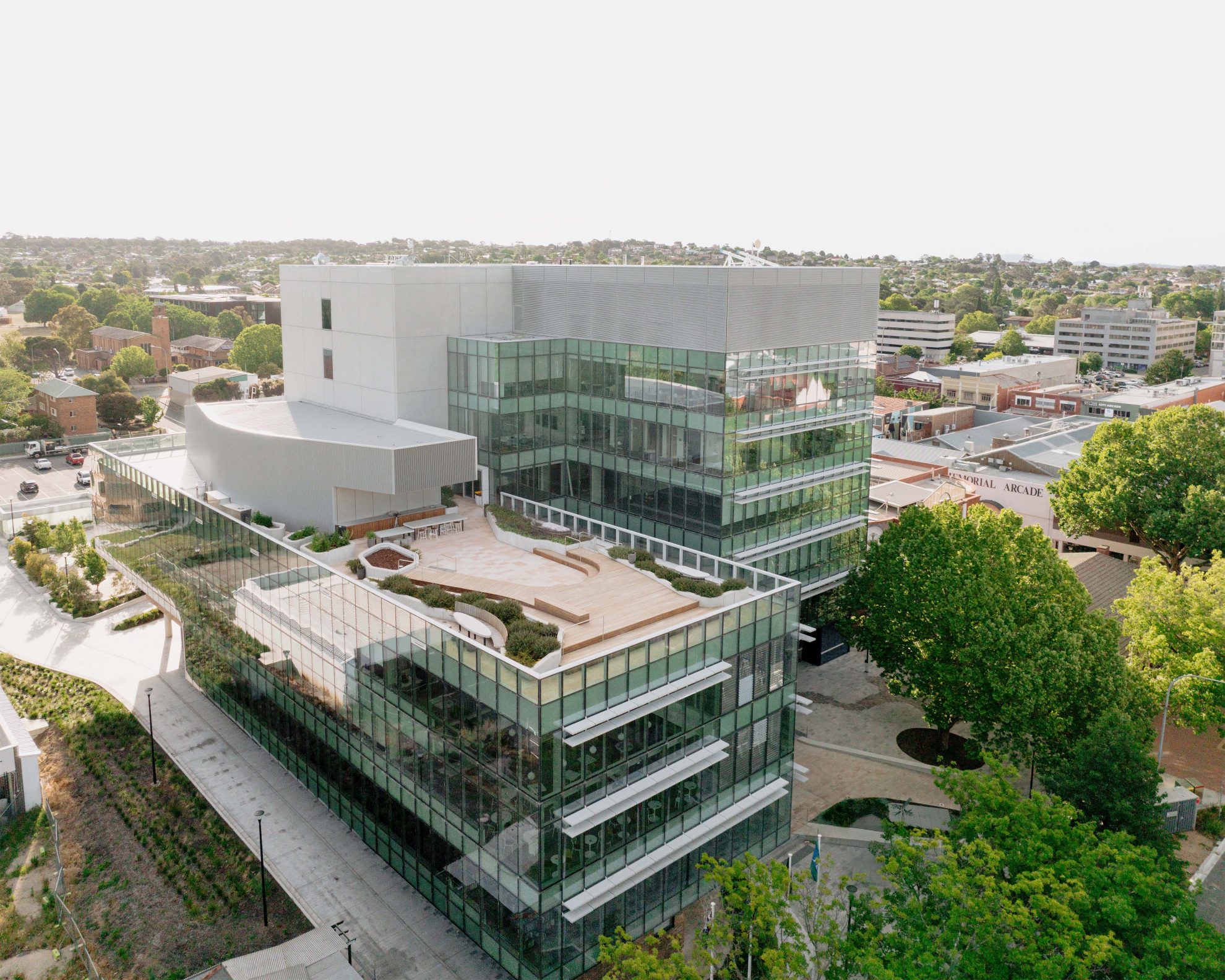
Located at the confluence of the Molonglo and Queanbeyan Rivers on Ngunnawal and Ngambri Country, the Queanbeyan Civic and Cultural Precinct (QCCP) serves as a new front door for the Queanbeyan-Palerang Regional Council (QPRC).
As a key part of Council’s CBD Transformation Strategy, the precinct was created to rejuvenate the city centre, stimulate activity, and attract more people to the heart of Queanbeyan. Following extensive consultation with the community, QCCP was designed to respond to local needs and support cultural and civic activity in the Queanbeyan Palerang region and bring a new urban energy.
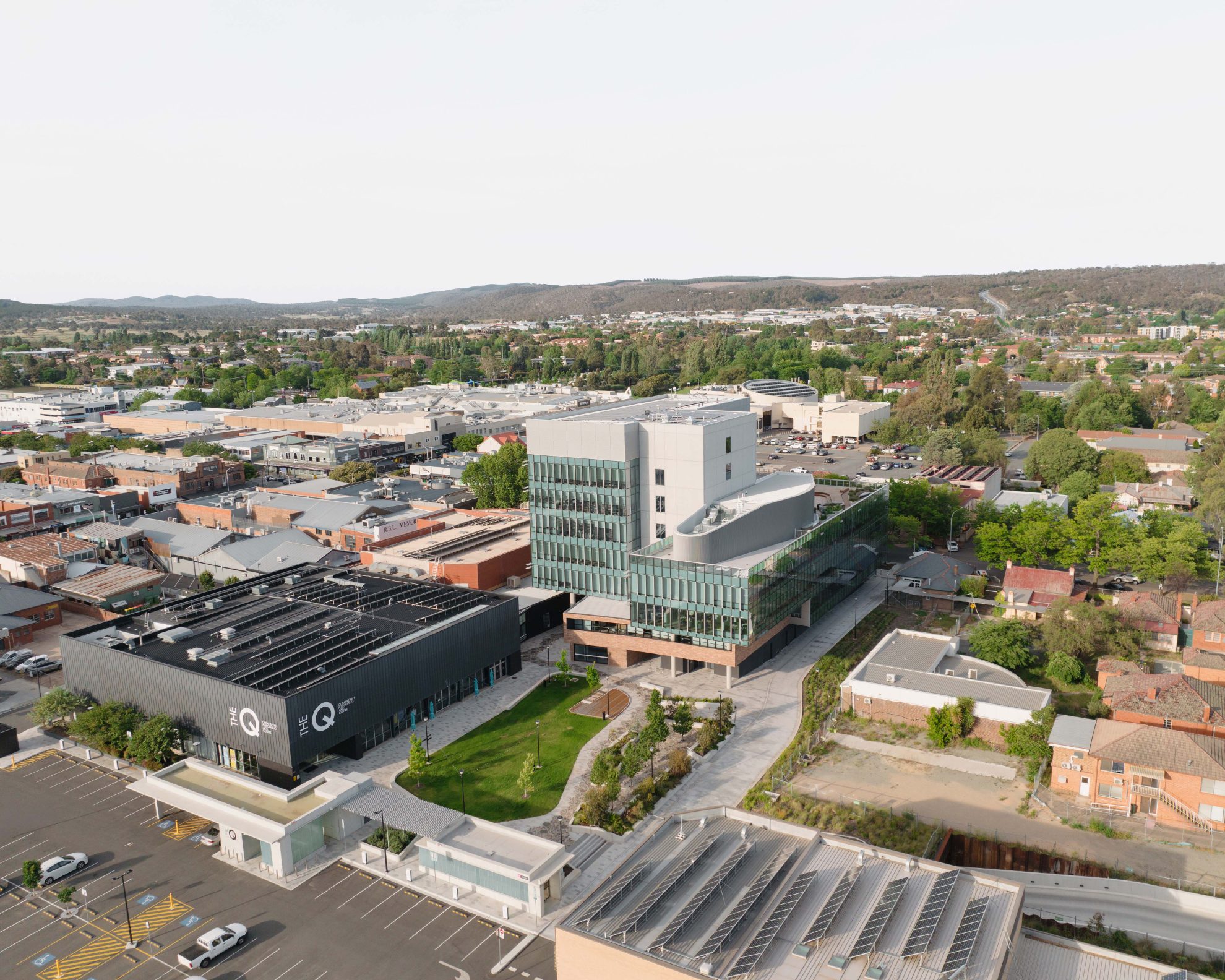
Designed by COX and constructed by ADCO Constructions, the $74 million development is conceptualised as two distinct forms and functions – the ground and mezzanine are focused on public program and connect in with the existing Bicentennial Hall, providing improved access to The Q Theatre and reinforcing the precinct’s role as a cultural hub.
QPRC, Michael Damo
The Nellie Hamilton Centre consolidates staff that were spread over 11 buildings and 2km into four levels in one new building. COX put considerable effort into understanding Council’s requirements, consulting with many user groups multiple times. The result is a considered and crafted asset for Council and the community which links the old to the new and provides capacity for future growth.
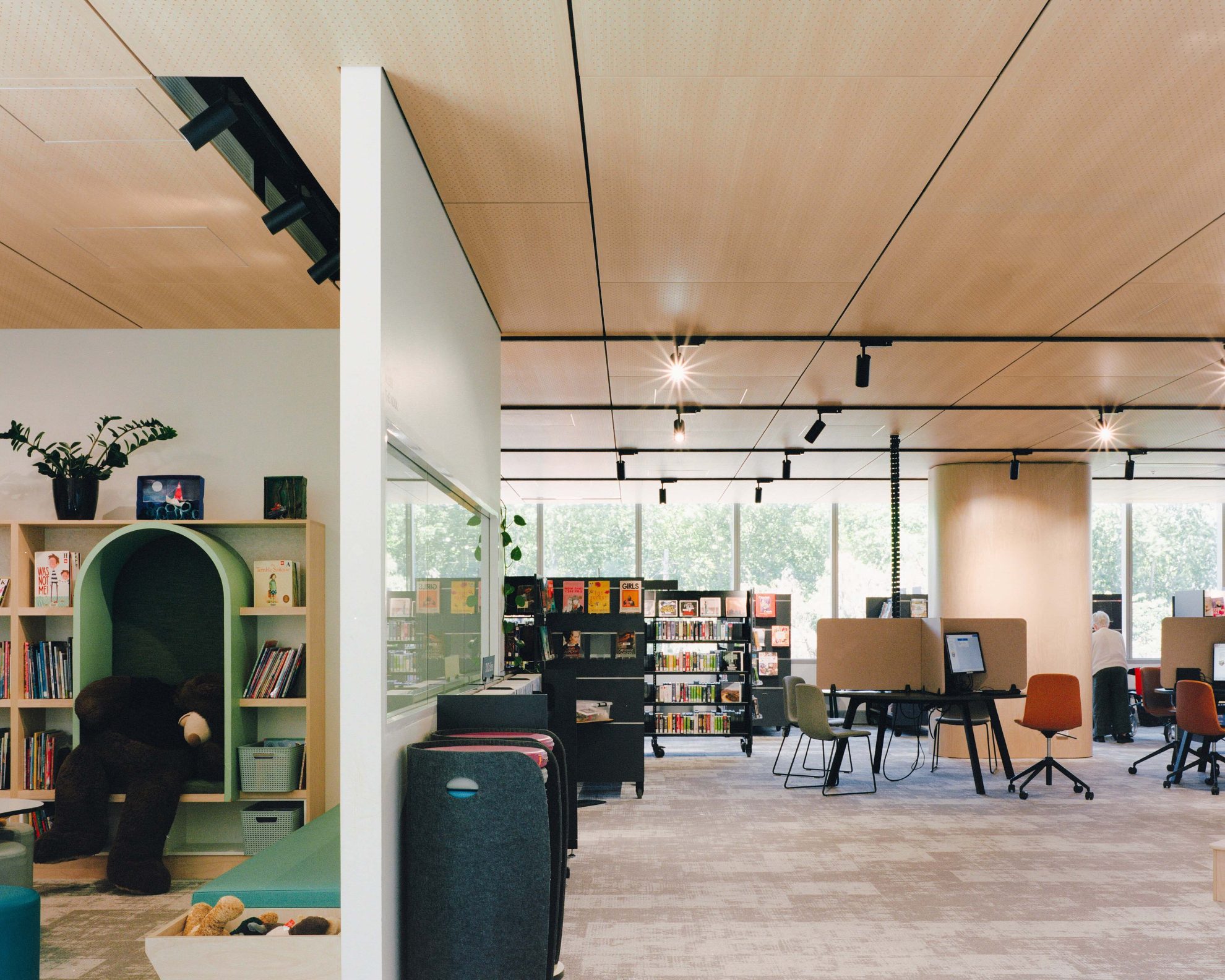
More than 40% of the precinct is dedicated to community and cultural purposes, including a new library, council offices, customer service areas, smart hub, council chambers, commercial tenancies, community rooms, and basement parking. The upper levels of the building are devoted to Council offices, organised into two tower forms that provide abundant daylighting to all areas of the floor plate. The tower forms are stepped to minimise overshadowing of future development sites.
[Above]: Photography – Kiernan May
A Civic Front Door
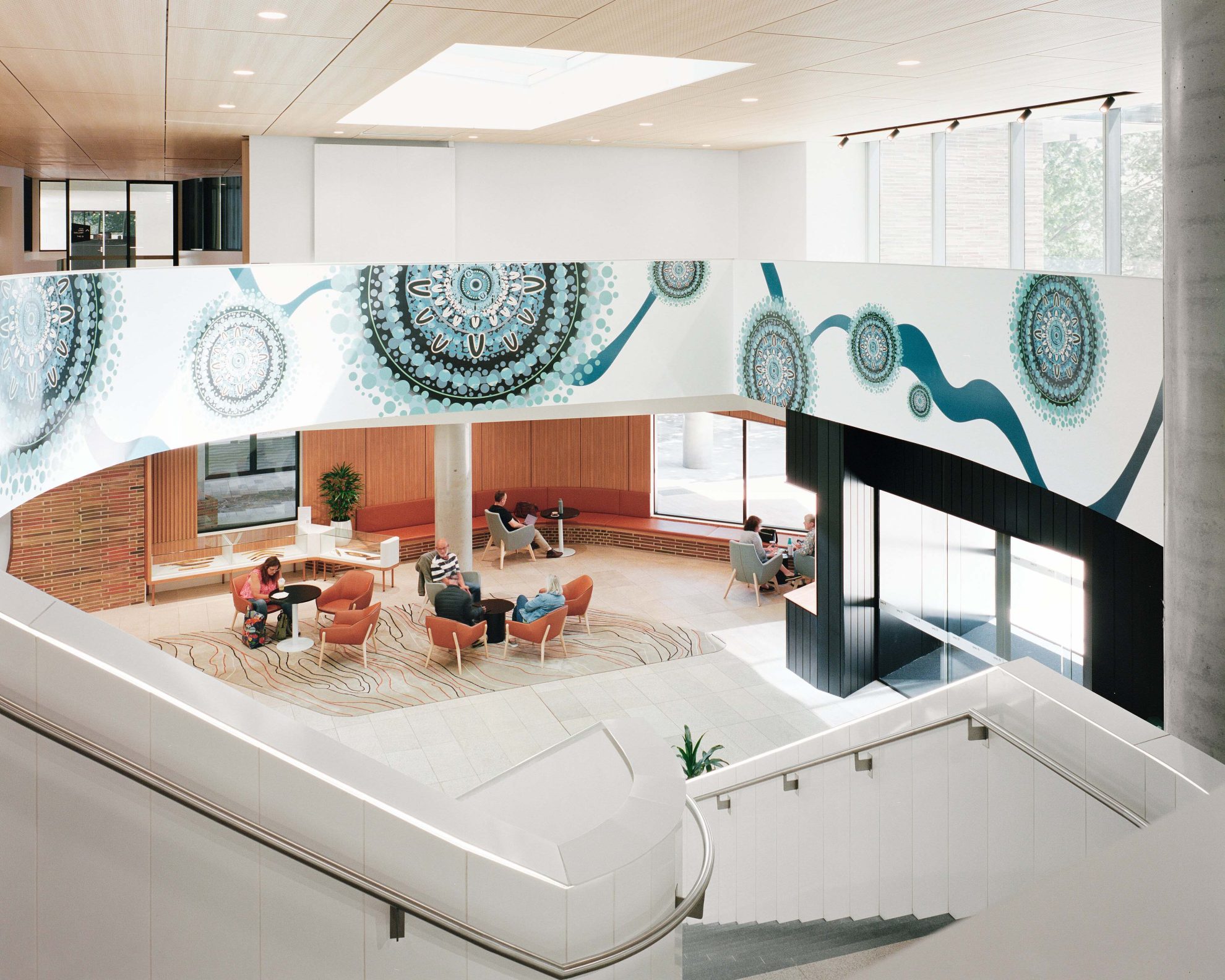
QCCP establishes a distinct civic presence with public programs and entry points focused onto Crawford Street to encourage footfall and improve vibrancy. A light-filled central foyer links the library, customer service areas, and community spaces, providing a flexible space linking public functions. The library acts as a natural gathering point, with flexible spaces for reading, learning, and collaboration. The mezzanine includes community rooms and council chambers designed for adaptability, supporting both civic functions and cultural events.
The architecture references Queanbeyan’s heritage through its restrained material palette; the brickwork base relating to the adjacent, original Council chambers and fire station buildings. The Council office façade integrates glass and sun shading to support both comfort and views within a restrained, contemporary aesthetic. Public areas at lower levels feature warm, tactile brick, timber, and aluminium elements. Open-plan offices and a central communal spine support flexibility and collaboration. Terraces and a rooftop garden provide outdoor meeting and event spaces with views to the surrounding mountains.
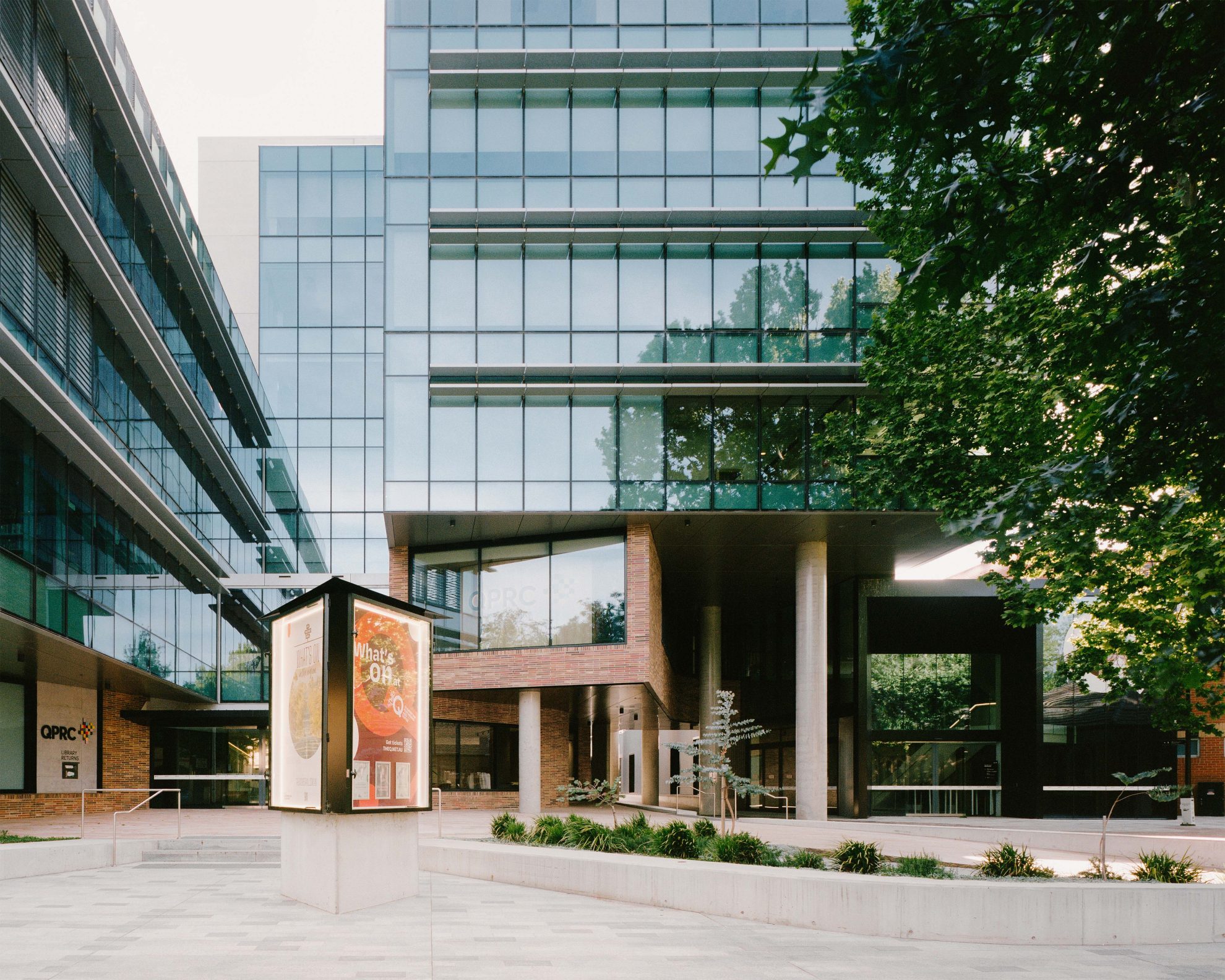
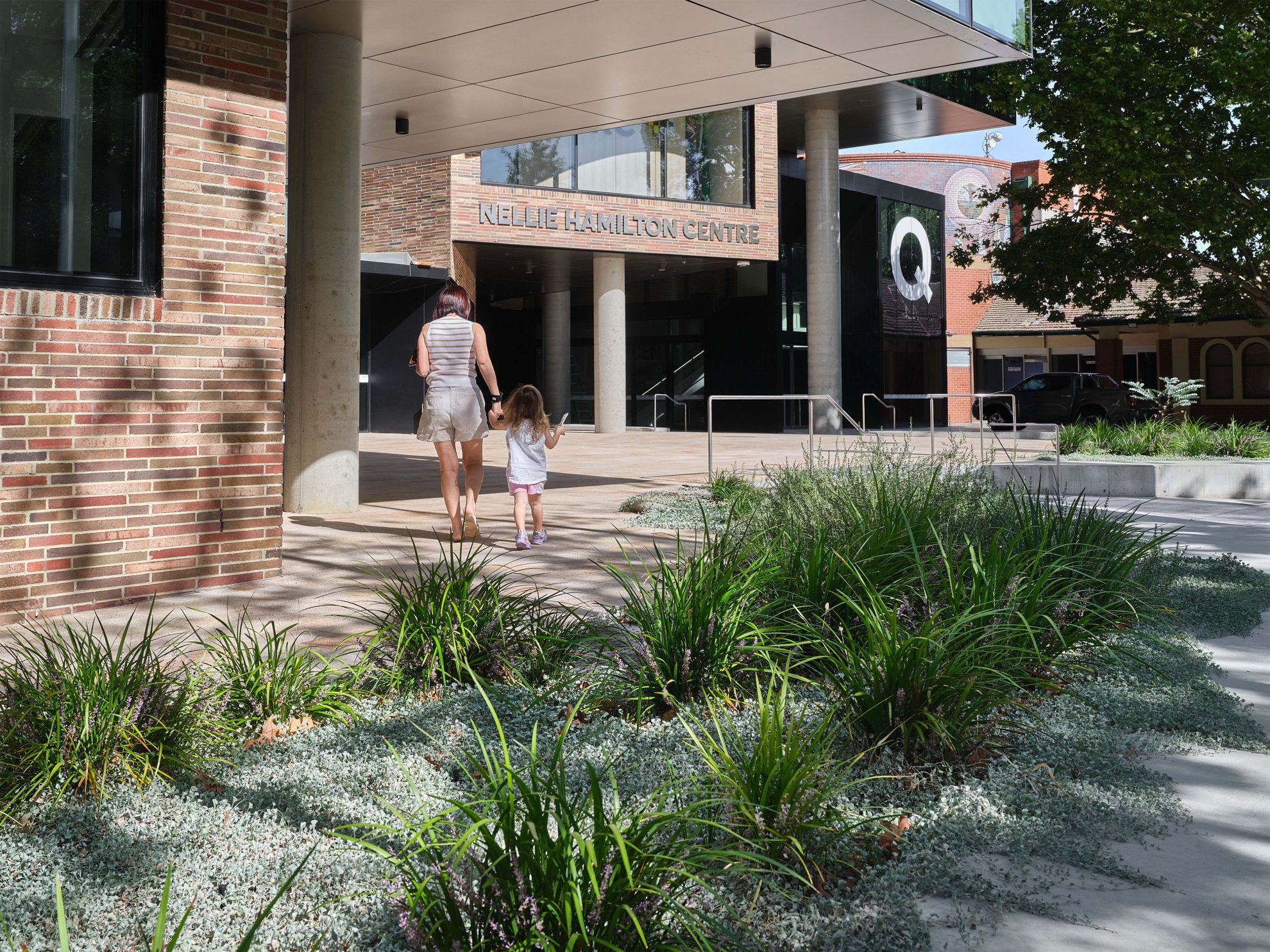
[Left]: Photography – Kiernan May | [Right]: Photography – Anne Stroud
Integration with the Public Realm
In collaboration with Arcadia, the precinct’s landscape also celebrates Queanbeyan’s identity. Drawing inspiration from the meaning of ‘Queanbeyan’—clear waters—the design traces the river’s journey through plazas, lawns, and laneways, linking key destinations and supporting 18-hour activation. The Crawford Street forecourt provides a flexible civic space for pre-event crowds and informal gatherings, while the Cultural Plaza in front of The Q theatre offers soft landscaping for passive recreation and cultural events.
Targeting a 5-Star Green Star Design & As-Built rating and a 5-Star NABERS Energy Commitment Agreement, QCCP demonstrates how regional centres can lead with ambition by combining civic, cultural, and community functions in a single integrated, sustainable precinct.
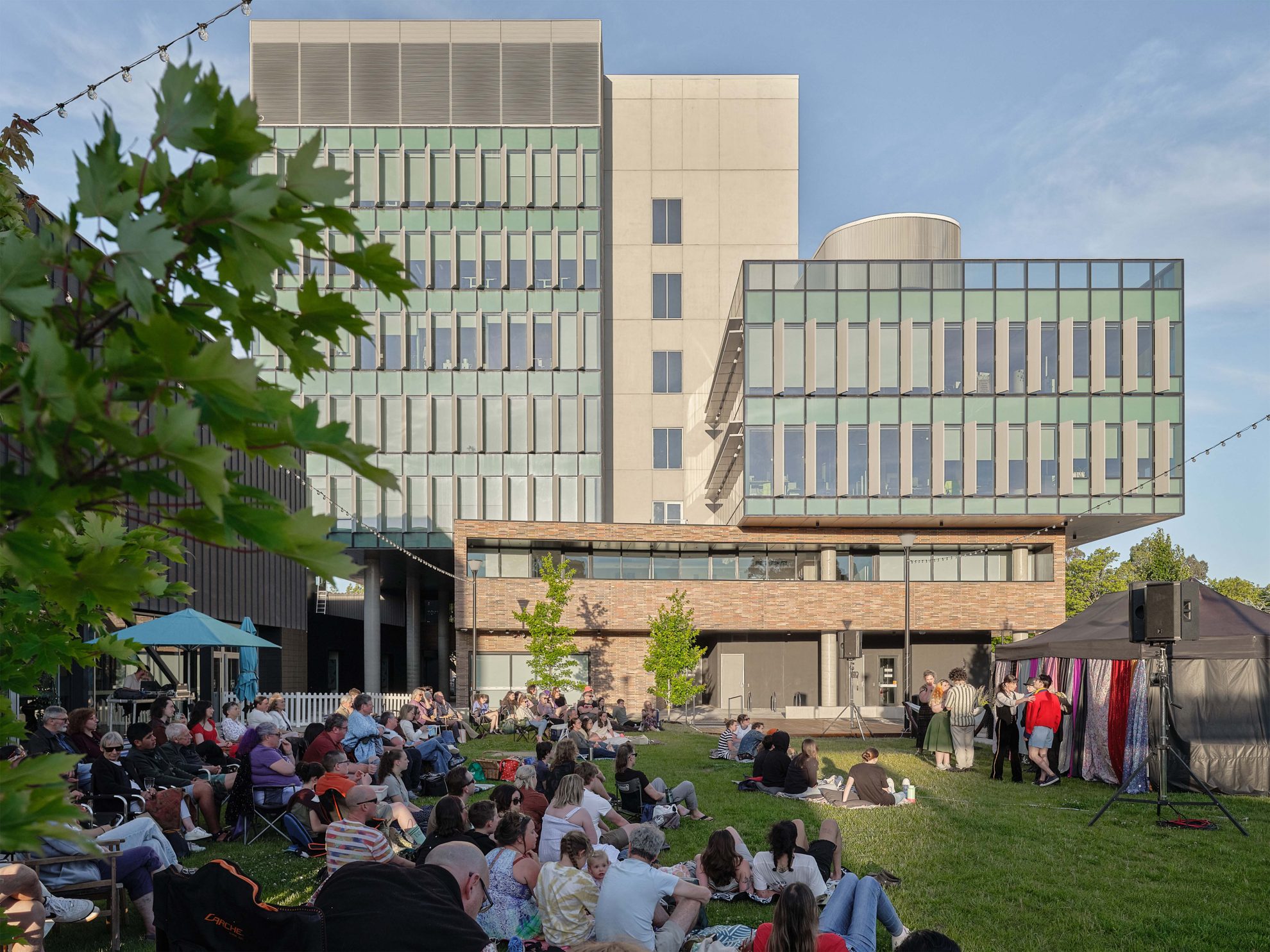
[Above]: Photography – Anne Stroud